
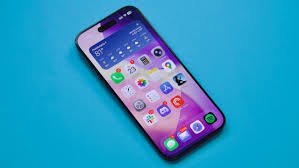
The iPhone Air exists as a paradox. It’s a device engineered with such precision and commitment to a singular vision that it feels like a glimpse into the future of smartphones. Yet, after six intensive months of using it as my daily driver, I’ve come to a stark conclusion: it’s a future that most people, including myself, probably aren’t ready for. This isn't just a feeling; the market has screamed this sentiment from the rooftops. In its first week alone, the iPhone Air’s resale value plummeted by an astonishing almost 50%, a figure virtually unheard of in the typically resilient world of Apple products.
While Apple moved a colossal 17 million units of the iPhone 17 in the same period, estimates suggest a mere 200,000 iPhone Airs found a home. This catastrophic sales performance reportedly led Apple to slash production by as much as 80% of its initial forecast. It’s a beautifully designed, ridiculously light, and surprisingly capable phone that has, by all commercial metrics, failed. And after half a year of living with its unique blend of brilliance and compromise, I finally understand why.
This is the story of a phone built for the minimalist, the aesthete, the user who prioritizes the feel of technology over a spec sheet. But in its relentless pursuit of thinness, it quietly strips away the very flexibility that makes an iPhone an iPhone. The question is, are you the niche user this phone was designed for?
At a Glance
- Unmatched In-Hand Feel: The titanium build and impossibly slender profile make it one of the most comfortable phones ever made, a true lifestyle benefit.
- Surprising All-Day Power: Despite a smaller battery and larger screen, optimized software delivers a battery life that consistently outperforms the iPhone 17 Pro in lighter, everyday use.
- Significant Compromises: The pursuit of thinness comes at the cost of stereo speakers, camera versatility (no telephoto or ultra-wide), and a physical SIM slot, which are deal-breakers for power users.
Design and Display: A Masterclass in Minimalism
The iPhone Air is a niche device built for users who prioritize a minimalist aesthetic and an ultra-lightweight in-hand feel above all else. Its titanium construction and slim profile deliver a premium experience, but this focus leads to functional compromises, such as a camera bump that causes wobbling on flat surfaces.
From the moment you pick it up, the iPhone Air makes its case. The matte black titanium build is simply stunning, exuding a quiet confidence that feels more premium than its stainless steel siblings. After six months of daily use—tossed in pockets, laid on tables, and carried on late-night grocery runs—it remains pristine. There are zero scratches, no dents, and no discoloration, a testament to the sheer durability of its frame.
But the real story is the weight, or lack thereof. Switching from my work-issued iPhone 17 Pro to the Air in the evenings felt like shedding a heavy backpack after a long day. It’s a tangible, physical relief. This isn't just a number on a spec sheet; it's a genuine lifestyle benefit that reduces hand fatigue and pocket sag. The in-hand feel is, without exaggeration, awesome. The slender chassis and gloss black sides are a joy to hold.
This focus on a flush, minimalist design does introduce a peculiar annoyance. The singular camera lens creates a prominent notch on the back. When you lay the phone on a table and try to type, it ricochets and wobbles with every tap. It’s a minor inconvenience, but one that constantly reminds you of the design-over-function trade-offs.
The display, however, is an area with zero compromise. The 6.5-inch screen is a perfect middle ground between the standard Pro and the larger Pro Max. For my personal use—watching content, reading articles, and light gaming—it’s even more enjoyable than the 17 Pro's screen. It’s essentially the same panel, boasting a buttery-smooth 120Hz ProMotion refresh rate, a crisp 460 pixels per inch, and a blinding 3000-nit peak brightness. Apple deserves immense praise for not skimping here; the display is flagship-grade in every respect.
Performance and Battery: Defying Expectations
Don't let the 'Air' moniker fool you into thinking this is a lightweight in the performance department. The phone is powered by the A19 Processor, and in the real world, its day-to-day snappiness feels virtually identical to the iPhone 17 Pro. Over the last half-year, not once did I encounter a task—from multitasking between apps to casual gaming—that made me feel I needed to switch back to the more powerful Pro.
Benchmark scores confirm this experience. The single and multi-core performance differences are minor. The only significant gap appears in Metal (GPU) benchmarks, where the iPhone 17 Pro’s extra GPU core and vapor chamber cooling give it a clear edge. This matters if you’re editing and exporting large video files in CapCut or engaging in marathon gaming sessions. For everyone else, the performance is more than enough. The phone's brain is as sharp as any other on the market, a concept that even influences how we think about the future of AI-driven social media, as seen when Meta Just Bought an AI-Only Social Network. Yes, It’s as Weird as It Sounds.
I was initially worried about thermal management in such a thin chassis. While synthetic stress tests can make it warm, I’m happy to report that day-to-day activities like social media, video streaming, and browsing generate no noticeable long-term heat.
My biggest surprise, however, has been the battery life. Thin phones historically have terrible longevity. The first few days with the Air felt decent, but not remarkable. Then, something changed. As iOS’s battery optimization learned my habits, the endurance smoothed out significantly. I now consistently get between 5 to 9 hours of active screen time and about 10 hours of idle time. That’s slightly more than I get with my more intensively used iPhone 17 Pro. Considering the Air has a battery that’s roughly 200 milliamp hours smaller and powers a larger display, this is a massive win for Apple's efficiency.
To be clear, it can’t compete with the marathon battery of a Pro Max. But for anyone worried about making it through a full day, rest assured. The iPhone Air has more than enough power to last from morning to night without a charger.
The Compromises: Where 'Air' Comes at a Cost
For every design triumph and performance surprise, there’s a concession that reminds you why this phone has struggled to find its audience. The most immediate and noticeable is the audio. The mono speaker is a significant step down from the stereo setup on other iPhones. It’s clear and gets loud enough, but it sounds flat, less dynamic, and lacks the immersive layers you get from the 17 Pro. If you use your phone's speakers in the shower or around the house, the lackluster audio will disappoint.
Then there’s the camera system. In good lighting, the single lens is classic Apple: it takes great photos. Colors are natural, dynamic range is strong, and skin tones are rendered beautifully. The images are clean and don’t look over-processed. If your photography is limited to simple, point-and-shoot, everyday moments, you will be perfectly happy. It’s simplified, not bad.
But the lack of telephoto and ultra-wide lenses is a massive blow to creative flexibility. As someone who relies on those different focal lengths, I felt creatively hamstrung. This simplification is the core of the Air's philosophy, but it’s a trade-off most users, accustomed to the versatility of modern flagships, are unwilling to make. This push for simplicity in our devices can sometimes have unforeseen consequences, even raising questions about security in a world of interconnected gadgets, a concern echoed in recent discussions about how an AI Phone Sparks Firestorm: Your Bank Account Leaked For Convenience.
Finally, the decision to go eSIM-only feels like a misstep for a phone that is otherwise a perfect travel companion due to its weight. For frequent international travelers who swap physical SIM cards to save on roaming, this is a major inconvenience. While it helps achieve the thin profile, it removes a layer of utility that many global users depend on. The power of a compact device is a running theme in modern tech, not unlike the surprisingly potent M5 Max MacBook Pro Review: Unrivaled Power for Creators & Devs.
Statistical Breakdown
| Feature | Details |
|---|---|
| Review Period | 6 Months (Daily Driver) |
| Processor | A19 Chip |
| Display | 6.5-inch ProMotion Display |
| Resolution/PPI | 460 pixels per inch |
| Refresh Rate | 120Hz |
| Peak Brightness | 3000 nits |
| Build Material | Titanium Frame |
| Speaker | Mono Speaker |
| Connectivity | Custom C1X Modem, eSIM only |
| Battery Endurance | 5-9 hours of active screen time |
| Price Point | Approx. $1,000 at launch |
| Resale Value Drop | Nearly 50% in the first week |
| Sales Comparison | Est. 200,000 (Air) vs. 17 Million (iPhone 17) in the same timeframe |
Pros & Cons
Pros:
- Sublime Design: The titanium build and slim profile make it exceptionally comfortable to hold and carry.
- Stunning Display: The 6.5-inch 120Hz ProMotion screen is bright, fluid, and flagship-quality.
- Excellent Everyday Performance: The A19 chip handles daily tasks and light gaming with the same snappiness as the iPhone 17 Pro.
- Surprisingly Great Battery Life: Lasts a full day with ease, outperforming the 17 Pro in lighter usage scenarios despite a smaller battery.
- Durable Construction: The frame shows no signs of wear, scratches, or dents after six months of use.
Cons:
- Lackluster Mono Speaker: Audio lacks the depth and immersion of stereo speakers found on other iPhones.
- Limited Camera System: The absence of telephoto and ultra-wide lenses severely restricts photographic flexibility.
- eSIM Only: A potential inconvenience for international travelers or those who prefer physical SIMs.
- Wobbles on Flat Surfaces: The single camera bump makes the phone unstable when used on a table.
- Poor Value Retention: Extremely low sales and a rapid drop in resale value make it a questionable investment at its near-$1,000 launch price.
Final Verdict & Rating
After six months, I don’t hate the iPhone Air. I understand it. I respect the purity of its vision. It is a beautiful object that performs its core functions exceptionally well. The display is top-tier, the performance is snappy, and the battery life was a pleasant surprise. On paper and in real life, it’s a great phone.
But I wouldn’t buy it again. I’m a user who values flexibility—the creative headroom of multiple camera lenses, the immersion of stereo speakers, and the convenience of a physical SIM slot when abroad. The Air takes all of that away in service of a minimalist design.
The iPhone Air isn't for power users. It's for the true minimalist who wants the lightest, most comfortable, and cleanest iPhone experience possible and is willing to accept major functional compromises to get it. For that person, especially if they can find it heavily discounted on the secondhand market, this phone is brilliant.
The sales numbers, however, tell the real story: that person is in the minority. Most of us want features and optionality, even if we don't use them every day. If Apple creates a second generation that keeps the thinness but adds stereo speakers and an ultra-wide lens, we might have a legend on our hands. Until then, the iPhone Air remains one of the most interesting, beautiful, and niche failures Apple has ever produced.
Final Score: 7/10