
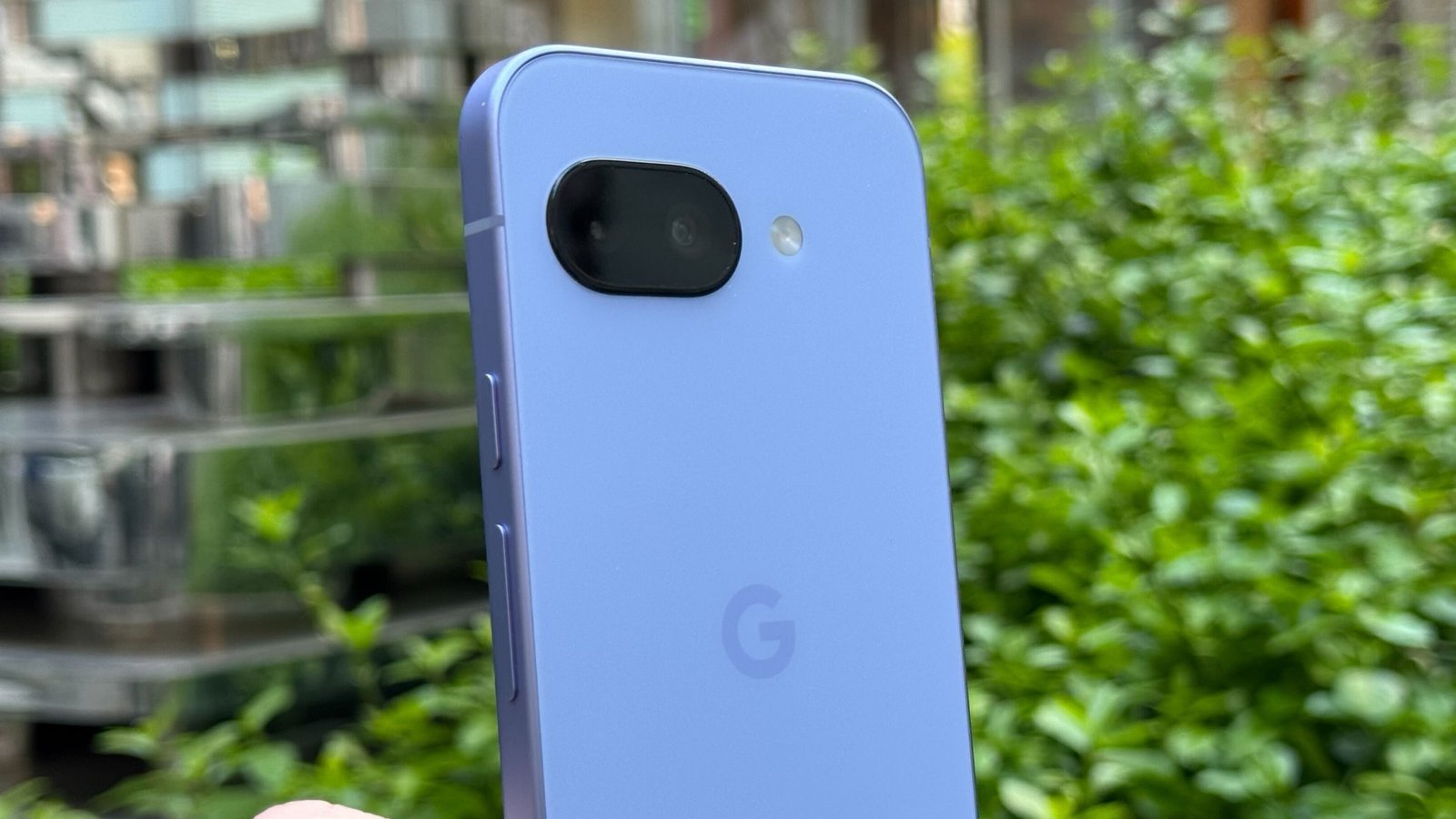
The Google Pixel 10a has arrived, and it now stands as the best phone you can acquire if your budget is strictly capped at $500. It presents some respectable upgrades over last year’s Pixel 9a and introduces a novel design choice that is genuinely unique in the current smartphone landscape: a completely flat back with no camera bump whatsoever. After spending just under two weeks with this device, however, a strange reality has settled in. Despite how objectively good it is, I haven't felt a spark of excitement. It’s a beautifully competent tool that simply does phone stuff, which begs the question: Is being great, but boring, enough?
This phone exists in a fascinating paradox. For the tech enthusiast, it’s a difficult device to champion with any real passion. You can spend the same $500 and find phones with more features, or spend considerably less for an experience that is almost indistinguishable to the average person. Yet, for the vast majority of people—those who view a phone as an appliance rather than a hobby—Google may have inadvertently crafted the perfect device. It is a testament to pragmatic, sensible design that is difficult to get passionate about, and maybe that’s perfectly alright.
At a Glance
- Perfectly Flat Design: The complete absence of a camera bump is a defining feature, allowing the phone to lie perfectly flat on any surface.
- Recycled But Reliable Power: It uses the same Tensor G4 processor from the 2024 Pixel 9a, offering solid everyday performance but no generational leap.
- Flagship-Level Photography: The main and ultrawide cameras are identical to those in the much pricier Pixel 10, delivering a premium imaging experience for a mid-range cost.
Design Philosophy: Perfectly Flat, Perfectly Fine
The Pixel 10a refines the A-series design with a standout feature: a completely flat back with no camera bump. This, combined with a much-needed upgrade to Gorilla Glass 7i and fresh colorways, makes it the most durable and aesthetically clean A-series phone to date, though it curiously omits the magnetic Pixel Snap system found on its pricier siblings.
The most significant change to the Pixel 10a is something Google removed, not something it added. The camera bump is gone. Entirely. This creates a monolithic, uniform slab that feels quite distinct. The immediate benefit is purely practical; when you place the phone on a table, it has zero wobble. This is a quality-of-life improvement you don’t realize you’ve been missing until you experience it. The downside, I found, is that it's not always easy to tell by touch alone if you’re holding the front or the back of the phone in your pocket.
Google has also updated the color palette, introducing pleasant options like berry, lavender, and fog alongside the standard obsidian. It's a tiny bit shorter and, surprisingly, a hair thicker than the Pixel 9a. This added thickness makes the absence of Pixel Snap—the magnetic ring on the back of other Pixel 10 phones—all the more baffling. With competitors like the iPhone 17e fully embracing MagSafe, this feels like a missed opportunity.
One of the most welcome upgrades is the move from the archaic Gorilla Glass 3, used on nearly every previous A-series phone, to the much more modern Gorilla Glass 7i. This is a substantial leap in durability that provides much-needed peace of mind against drops and scratches. In 2026, it's a long-overdue and essential improvement.
Performance Paradox: A Two-Year-Old Heart Still Beats Strong
At the core of the Pixel 10a is a decision that has proven quite controversial: the inclusion of the Tensor G4 processor. This is the very same chip that powered the Pixel 9a in 2024. For enthusiasts who track spec sheets, this feels like a significant step backward. Our benchmark tests confirm this, showing the Pixel 9a and 10a performing neck-and-neck, with any minor variations falling within the margin of error.
However, it's crucial to remember who this phone is for. You don't buy a Pixel for raw benchmark scores; even the most expensive Pixel isn't a performance chart-topper. The actual, real-world performance of this phone is terrific. Outside of graphically intensive gaming or heavy content creation, the Pixel 10a handles everything with ease. The average user will perceive no difference between this and a device with much more expensive hardware, like the Samsung S26 Ultra In-Depth Review: The Privacy Display Revolution or Just an Iteration?
In a way, Google has made the perfect phone for the majority of people. It’s cheap, beautiful, and durable with a terrific camera and long-term support. The fact that it's only slightly better than its predecessor doesn't matter to its target market.
Modest but useful spec bumps round out the experience. The phone supports slightly faster wired and wireless charging, though the real-world time savings are fairly nominal. Inside, a new Exynos 5400 modem brings support for Bluetooth 6.0 and, for the first time in the A-series, emergency satellite messaging here in the United States. It’s a feature you hope you never need, but it provides a valuable layer of security.
The battery capacity remains unchanged at 5,100 mAh, which I found easily provides a full day of use. Pushing it to two full days would be a stretch, so the expectation should be to charge it each night. It's reliable, just not revolutionary.
The A-Series Camera Promise, Delivered
If there is one area where the Pixel A-series has always punched well above its weight, it’s the camera. The Pixel 10a proudly continues this tradition. The camera hardware—the sensors, the lenses—is identical to what we saw on the Pixel 9a. While that may sound like another instance of stagnation, it’s actually a tremendous strength.
The wide and ultrawide cameras on the back are, in fact, the same ones you’ll find on the flagship Pixel 10. This is the core value proposition of this phone: you get a premium, flagship-grade photography experience for a mid-range price. The photos are, as expected, fantastic. The classic Pixel look—sharp, detailed, with excellent dynamic range—is here in full force. For $500, you simply will not find a better point-and-shoot camera on a smartphone.
Google has also ported over a couple of new AI-powered software features to enhance the experience. Auto Best Take is a clever tool for group photos, automatically compositing faces to ensure everyone is smiling with their eyes open. Camera Coach uses AI to offer real-time framing suggestions to help you compose better shots. It’s a subtle but helpful guide for amateur photographers. Some of the more advanced AI features seen in modern devices, such as those discussed in Your Phone’s Next Big Trick: AI That Doesn’t Spy on You. It’s Trending., like Magic Q and Pixel Screenshots, are unfortunately absent, but their omission is understandable at this price point.
Statistical Breakdown
| Feature | Details |
|---|---|
| Price | $500 |
| Processor | Google Tensor G4 (from 2024) |
| Display | 6.3-inch Actua pOLED, 60-120Hz, up to 3000 nits peak brightness |
| Cover Glass | Corning Gorilla Glass 7i |
| RAM | 8GB |
| Storage | 128GB or 256GB |
| Rear Cameras | 48MP Wide, 13MP Ultrawide |
| Front Camera | 13MP |
| Battery | 5,100 mAh |
| Charging | 30W Wired, 10W Wireless |
| Connectivity | Wi-Fi 6E, Bluetooth 6.0, NFC, Satellite SOS (US Only) |
| Software | Android 16 |
| Update Promise | 7 years of OS, security, and feature updates |
| Colors | Berry, Lavender, Fog, Obsidian |
Pros & Cons
Pros
- Zero Camera Bump: The completely flat back is a unique and practical design feature that prevents table wobble.
- Exceptional Camera Value: Delivers the same primary and ultrawide camera performance as the more expensive Pixel 10.
- Improved Durability: The upgrade to Gorilla Glass 7i is a massive improvement over the previous generation's Gorilla Glass 3.
- Seven Years of Updates: Unmatched software support in this price range ensures longevity and security.
- Great Price: At $500, it offers a fantastic overall package for budget-conscious buyers.
Cons
- Recycled Processor: Uses the two-year-old Tensor G4 chip, offering no performance improvement over the Pixel 9a.
- Unexciting Iteration: The phone is objectively good but lacks any thrilling new features to make it feel truly new or exciting.
- No Pixel Snap: The omission of Google’s magnetic charging and accessory system is a notable drawback.
- Missing AI Features: Lacks some of the more advanced software tricks available on flagship Pixel models.
Final Verdict & Rating
The Pixel 10a is a great phone. Full stop. It is a finely tuned, thoughtfully constructed device that delivers on all its core promises. The camera is outstanding, the build quality is solid, the software support is unparalleled, and the price is right. It is, without a doubt, a terrific phone that is difficult to be truly passionate about.
After two weeks of use, it's clear this device wasn't built for people who watch tech reviews. It was built for everyone else: the millions of people who need a phone that just works, takes great pictures of their family, will last them for years, and doesn't cost a fortune. It's for the person who sees getting a new phone as a chore, not an event. For that person, the Pixel 10a is arguably the perfect choice. It is the embodiment of practical excellence.
For the enthusiast, it’s a harder sell. The reused processor and the lack of exciting new features make it feel more like a 'Pixel 9a S' than a true successor. But even then, you have to respect what Google has accomplished. They have created a beautiful, durable, and reliable device that brings a flagship camera experience to the masses. The Pixel 10a is a triumph of pragmatism over passion. And for the vast majority of smartphone buyers, that's exactly what they need. It’s an easy recommendation, just not an exciting one.
Rating: 8.5/10
References / Sources
- YouTube Video: https://www.youtube.com/watch?v=fa-TcvIjqvQ