
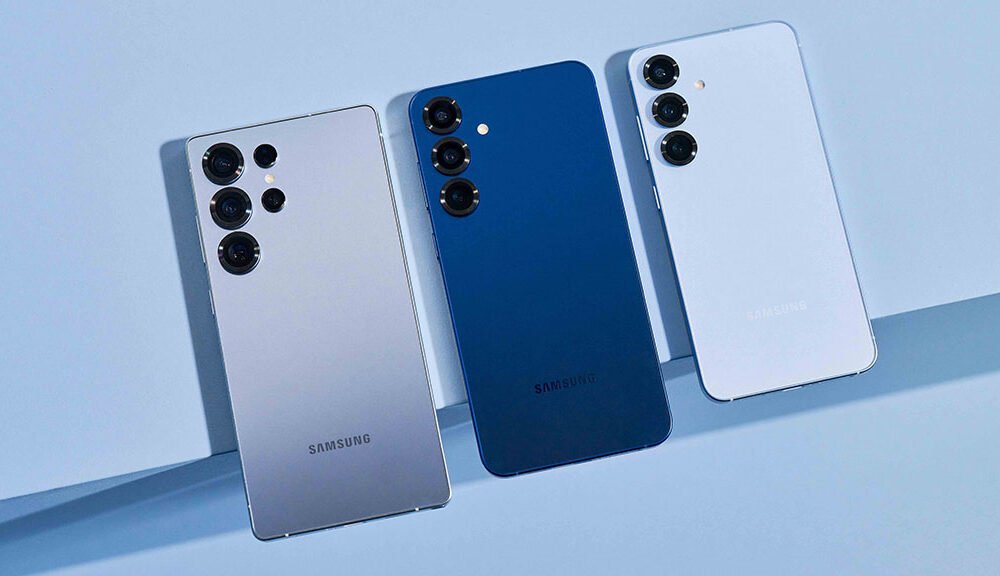
A bombshell report just hit the tech world, and it’s not about foldable screens or AI assistants. It’s about the one thing every single smartphone user craves: a battery that refuses to die. Leaked documents, now going viral on Reddit, reveal Samsung is actively testing massive silicon-carbon batteries, with capacities reaching an unheard-of 18,000mAh.
This isn't your typical 10% annual improvement. This is a complete game-changer. For context, most flagship phones today, including Samsung's latest, hover around 5,000mAh. The leak suggests a multi-day battery life could become the new standard, not a premium feature. It's a fundamental shift in what we expect from our devices.
Battery Revolution Goes Viral
The reason this leak is blowing up is simple: battery anxiety is universal. Users on platforms like Reddit are a mix of ecstatic and cautiously optimistic, with many referencing Samsung's past battery issues. The conversation isn't just about the massive capacity; it's about the underlying technology—silicon-carbon—that makes it possible. This is the tech that will finally power your phone's next big trick: AI that doesn't spy on you.
What People Are Saying
The reaction online tells the whole story. Comments range from "Note 7 owners having flashbacks" to "This is all anybody has ever wanted." The documents show Samsung testing various stacked-cell designs, trying to cram unprecedented power into a manageable form factor. While a bulky 18,000mAh prototype might be for rugged devices, a more mainstream 12,000mAh version is also in testing, which could provide 20-25 hours of active use.
This isn't just a Samsung story. Chinese manufacturers have already started rolling out phones with 7,000mAh to 10,000mAh silicon-carbon batteries, proving the technology is viable. The leak confirms Samsung is aggressively trying to catch up and leapfrog the competition.
Unpacking Silicon-Carbon Tech
So, what is this new battery tech? Silicon-carbon batteries replace the traditional graphite anode with a silicon-carbon composite. This allows them to store significantly more energy in the same amount of space. It's the key to breaking through the plateau that lithium-ion technology hit years ago.
| Feature | Traditional Lithium-ion | Silicon-Carbon (Si-C) |
|---|---|---|
| Anode Material | Graphite | Silicon-Carbon Composite |
| Energy Density | ~387 Wh/kg | Up to 600 Wh/kg |
| Standard Capacity | 4,500 – 5,500mAh | 7,000mAh – 10,000mAh+ |
| Key Advantage | Proven, stable technology | Massively increased capacity |
This insane power density is what's needed for the next generation of mobile computing. The more powerful AI processors and demanding applications on the horizon make a battery revolution not just a luxury, but a necessity. The tech in the upcoming Samsung S26 Ultra will need this kind of power to truly shine. And with more power comes the need for smarter charging, making even your choice of a power strip vs. power conditioner more relevant.
Trend Prediction
This Samsung leak is the tipping point. While the 18,000mAh battery might not be in the Galaxy S27, expect 8,000-10,000mAh batteries to become the flagship standard by late 2026 or early 2027. The marketing wars will shift from camera megapixels to multi-day battery life. This isn't an incremental update; it's a foundational change that will redefine smartphone usage and finally kill battery anxiety for good.