
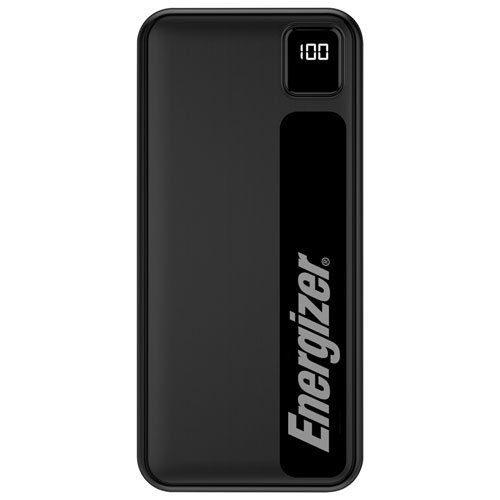
A fundamental shift in smartphone design is happening right now, directly targeting the single biggest complaint from users for over a decade: battery life. Forget incremental upgrades. We are witnessing the dawn of the multi-day phone, and it's kicking off with an arms race for battery capacity that was unthinkable just a year ago. This isn't just a rumor; it's a full-blown market trend going viral.
Rise of the "Battery Monsters"
The era of battery anxiety is officially ending. Smartphone brands are now launching devices with massive battery capacities, exceeding 10,000mAh, which promises users multiple days of heavy use on a single charge. This trend is a direct response to overwhelming consumer demand for longer-lasting phones.
Realme is firing one of the first major shots, set to launch the Realme Narzo Power on March 5 with a confirmed, colossal 10,001mAh cell. That is not a typo. That’s double, sometimes triple, the capacity of many flagship phones on the market today. It's not an isolated event, either. The Vivo X300 Ultra is another device expected to launch during MWC 2026, and it's tipped to feature a 7,000mAh battery. This sudden surge is blowing up on tech forums and social media, as users are finally seeing a solution to their biggest pain point.
The Real Story Competitors Are Ignoring
While brands like Realme are going public, the truly mind-blowing developments are happening behind the scenes. The real hot take is how far the top-tier players are pushing the envelope. Whispers and supply chain leaks suggest that industry giants are not just aiming for 10,000mAh; they're looking to obliterate that figure. The most explosive rumor right now is that Samsung is secretly testing an insane 18,000mAh battery, a development that could fundamentally change how we use our devices.
This isn't just about making phones thicker. New silicon-carbon battery technology is allowing for greater energy density, packing more power into a similar-sized space. It’s a game-changer.
What People Are Saying
Across Reddit and X, the sentiment is a mix of shock and excitement. For years, users have complained about phones dying before the end of the day. The conversation is now about the real-world implications of a three or even four-day battery. Will this end the era of carrying a power bank? Absolutely.
The main questions users are asking involve the trade-offs. Will these phones be incredibly heavy? Will they take forever to charge? While a larger battery will add some weight, the conversation is also about how software will manage that power. It's not just about capacity; it's about efficiency and how a phone's processor and RAM handle tasks to conserve energy. The debate over the unseen battle for performance is more relevant than ever when managing these huge power reserves.
| Device Category | Typical Battery Capacity (mAh) |
|---|---|
| 2024 Flagship Average | 4,500 – 5,000 mAh |
| 2025 Mid-Range Phone | 5,000 – 6,000 mAh |
| New 2026 "Monsters" | 7,000 – 10,000mAh+ |
It's Not Just Hardware, It's AI
The secret weapon in this battery war is artificial intelligence. Having a massive battery is one thing, but making it last is another. This is where on-device AI comes in. Your phone's next big trick is its ability to learn your habits, predict your app usage, and optimize power consumption in real-time without sending your data to the cloud.
Android 16 is leaning heavily into this, with AI-powered features designed to make the OS more efficient. We’re moving beyond simple low-power modes into a world of predictive power management that makes these giant batteries last even longer than their capacity numbers suggest. This is the new frontier.
Trend Prediction
The 10,000mAh battery will become the new standard for mid-range and flagship Android phones by the end of 2026. This will place immense pressure on Apple to make a significant leap in the iPhone 18's battery technology. The focus will then quickly shift from just capacity to ultra-fast charging, with 150W+ charging becoming the next major battleground to see who can fill these massive cells the quickest.