
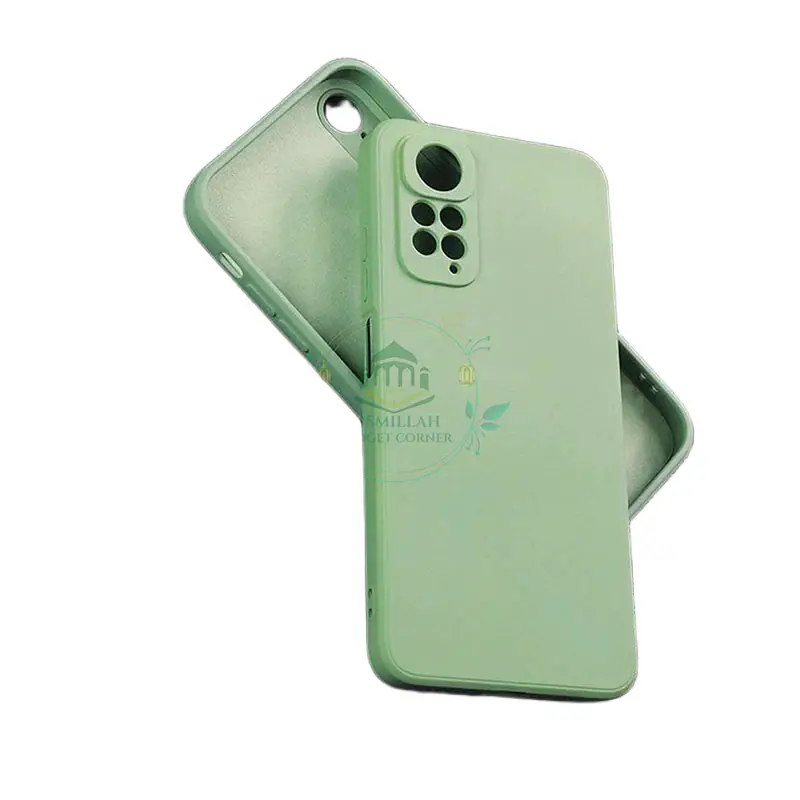
Your smartphone case is a magnet for filth. It's likely harboring more unseen bacteria than a toilet seat, a fact backed by numerous studies. This isn't just about surface-level dirt; it's a collection of body oils, dead skin, food particles, and environmental grime that you handle hundreds of times a day. That pristine accessory you bought to protect your expensive device now makes it look old and, frankly, unsanitary. It's a subtle detail, but a grimy, yellowed case can give off a poor impression.
The frustration deepens when you try to clean it. You scrub with soap and water, maybe even try harsher chemicals, but the results are disappointing. That once-crystal-clear case remains stubbornly yellow, and the embedded dirt in the corners just won't budge. You might even feel like you're in an unwinnable war against grime and material degradation, especially when manufacturers' claims of "anti-yellowing" technology feel like an empty promise.
But what if there was a proper, methodical way to clean your case, tailored to its specific material, that could restore its look and, more critically, its hygiene? This guide provides the professional-level cleaning strategies you need, moving beyond simple soap and water to address the toughest grime and discoloration. We'll tackle not just how to clean, but how to disinfect, what to do about that inevitable yellowing, and how to prevent the problem from starting in the first place.
In a Nutshell
- The Basics: For most plastic, silicone, or rubber cases, a simple solution of mild dish soap and warm water applied with a microfiber cloth is your best first step.
- Disinfection is Key: To properly kill germs, a wipe-down with a 70% isopropyl alcohol solution is recommended by experts like Apple and Samsung and is safe for most cases.
- Yellowing is Permanent: The yellowing of clear cases is a chemical reaction (oxidation) from UV light and heat, not a stain. It cannot be cleaned away, so managing expectations is crucial.
Why Your Case Is So Dirty
The average smartphone case is a hotspot for germs and grime due to constant contact with your hands and various surfaces. This buildup isn't just unsightly; it's a matter of personal hygiene, as phones can carry ten times more bacteria than most toilet seats.
Think about your daily routine. Your phone rests on coffee shop tables, gym equipment, and kitchen counters. You use it after holding onto public transit railings and after eating. Every touch transfers natural skin oils, sweat, and microbes onto your case, creating a perfect breeding ground for bacteria.
In observing the accessory market, it's clear that while case durability has improved, the materials used—especially porous ones like silicone—are still highly susceptible to trapping this daily grime. This accumulation can work its way into the seams and ports of your phone, presenting a risk not just to your health but to your device's functionality.
Your Essential Cleaning Toolkit
Before you begin, gathering a few simple items will make the process much more effective. You don't need expensive kits; a few household staples will handle almost any job.
- Microfiber Cloths: These are non-negotiable. Their fine fibers pick up dirt without leaving lint or causing scratches, which is especially important for delicate materials.
- Mild Dish Soap: Your go-to for general cleaning on most case types.
- 70% Isopropyl Alcohol: The gold standard for disinfecting. It's strong enough to kill germs but safe for most exterior surfaces when used correctly.
- Soft-Bristle Toothbrush: Perfect for scrubbing hard-to-reach corners and cleaning around button cutouts without damaging the case.
- Baking Soda: A gentle abrasive for tackling stubborn stains on plastic or silicone cases.
Cleaning Guide for Every Case Material
Different materials require different care. Using the wrong method, like bleach on leather or harsh abrasives on plastic, can cause permanent damage. Always remove your phone from its case before cleaning and ensure the case is completely dry before putting it back on.
Silicone, Plastic, and Rubber Cases
These are the most common and easiest to clean materials.
For a basic clean, submerge the case in a bowl of warm water with a few drops of dish soap. Use a soft toothbrush to gently scrub away any visible dirt, paying close attention to the corners. Rinse it thoroughly with cool water and dry it completely with a microfiber cloth.
For disinfection after cleaning, dampen a microfiber cloth with 70% isopropyl alcohol and wipe down the entire case. Let it air dry.
Banishing Tough Stains
If you have tougher stains, create a paste by mixing baking soda with a small amount of water. Apply the paste to the stained area and scrub gently with a toothbrush. Let the paste sit for a few minutes before rinsing it off.
Leather Cases: A Delicate Touch
Leather is a natural, porous material that should never be soaked in water or cleaned with harsh chemicals like bleach or alcohol.
To clean a leather case, mix a small amount of mild hand soap with water. Lightly dampen a microfiber cloth with the solution, wring it out completely, and gently wipe the case in circular motions. Use a second, dry cloth to remove any moisture. If the leather feels dry afterward, a small amount of leather conditioner can restore its softness.
Specialized Materials: Wood and Fabric
- Wood Cases: Clean with a slightly damp cloth. For tougher grime, a solution of equal parts water and white vinegar can be used, but sparingly.
- Fabric Cases: These can be tricky as they absorb moisture. Use a soft brush to remove loose dirt. For stains, gently dab with a damp cloth and a small amount of mild soap, but avoid soaking the material.
Quick Action Plan:
- Identify your case material.
- For plastic/silicone, use soap and water, then disinfect with alcohol.
- For leather, use a slightly damp cloth with mild soap and condition if needed.
- Always dry completely before use.
The Unwinnable War: Why Your Clear Case Turns Yellow
The yellowing of a clear phone case is not caused by dirt or stains, but by the natural degradation of the material itself. It's a chemical process called oxidation, triggered primarily by exposure to UV light and heat, and it is largely irreversible.
Many clear cases are made from a polymer like silicone or TPU which has a natural yellow hue. Manufacturers add a blue dye to counteract this and make the case appear crystal clear. Over time, UV radiation from the sun breaks down the polymer's chemical bonds, allowing the natural yellow color to show through. Heat from your hands or from leaving your phone in a hot car accelerates this process.
This is why cleaning efforts with bleach, baking soda, or alcohol fail. You can't scrub away a chemical reaction.
A Sustainable Approach to Clear Cases
Constantly replacing a yellowed case every few months contributes to plastic waste. A more sustainable approach involves two key shifts:
- Prevention: While you can't stop oxidation, you can slow it down. Minimize your phone case's exposure to direct sunlight and extreme heat. A regular cleaning with soap and water will also remove skin oils that can contribute to discoloration.
- Smarter Purchasing: Consider cases made from higher-quality materials like polycarbonate, which is more resistant to yellowing than cheaper TPU. Alternatively, embrace biodegradable or compostable case options that are designed to break down naturally at the end of their life, reducing landfill waste.
Beyond Cleaning: A Prevention-First Mindset
Proactive care is far more effective than reactive cleaning. Adopting a few simple habits can dramatically reduce how often you need to deep clean your case.
Daily Habits to Stop Grime
- Wipe It Down: Give your case a quick wipe with a dry microfiber cloth daily to remove surface oils and dust.
- Mind Your Surfaces: Avoid placing your phone on high-germ surfaces like public restroom counters or gym floors.
- Clean Hands, Clean Case: The cleaner your hands are when you use your phone, the cleaner your case will stay.
Don't Forget the Inside
Debris trapped inside your case can be just as damaging. Tiny particles of dust and grit can scratch the back of your phone over time. Once a month, remove your phone and wipe out the inside of the case to remove any trapped particles.
Cleaning Method Effectiveness
+---------------------+-------------------+---------------+------------------+
| Case Material       | Basic Grime       | Tough Stains  | Disinfection     |
+---------------------+-------------------+---------------+------------------+
| Plastic/Silicone    | ★★★★★ (Soap/Water) | ★★★★☆ (Baking Soda) | ★★★★★ (70% Alcohol)|
| Rubber              | ★★★★★ (Soap/Water) | ★★★☆☆ (Baking Soda) | ★★★★★ (70% Alcohol)|
| Leather             | ★★★☆☆ (Mild Soap)  | ★☆☆☆☆ (Avoid)   | ★☆☆☆☆ (Avoid)    |
| Wood                | ★★★☆☆ (Damp Cloth) | ★★☆☆☆ (Vinegar)   | ★☆☆☆☆ (Avoid)    |
+---------------------+-------------------+---------------+------------------+
Frequently Asked Questions
How often should I clean my phone case?
A quick wipe-down should be done weekly, with a more thorough cleaning and disinfection at least once a month. If you're frequently in high-traffic public areas, consider cleaning it more often.
Can cleaning products damage my case?
Yes. Harsh chemicals like bleach, ammonia, or abrasive cleaners can corrode, discolor, or damage the material of your case. Always stick to mild soap and 70% isopropyl alcohol unless the manufacturer specifies otherwise.
Is it worth buying a specialized phone cleaning kit?
While not essential, these kits can be convenient. They typically include microfiber cloths and a safe cleaning solution. However, you can achieve the same results with the household items listed in this guide.
The Final Polish
Keeping your phone case clean is a simple but often overlooked aspect of personal hygiene and device maintenance. It takes only a few minutes but makes a significant difference in how your phone looks and feels, while also protecting you from a world of unseen germs. Instead of fighting a losing battle with a yellowed clear case, adopt a mindset of preventative care and make smarter, more sustainable choices for your next purchase.
Now that you have the playbook, what's the first step you'll take to give your phone case the deep clean it deserves?