
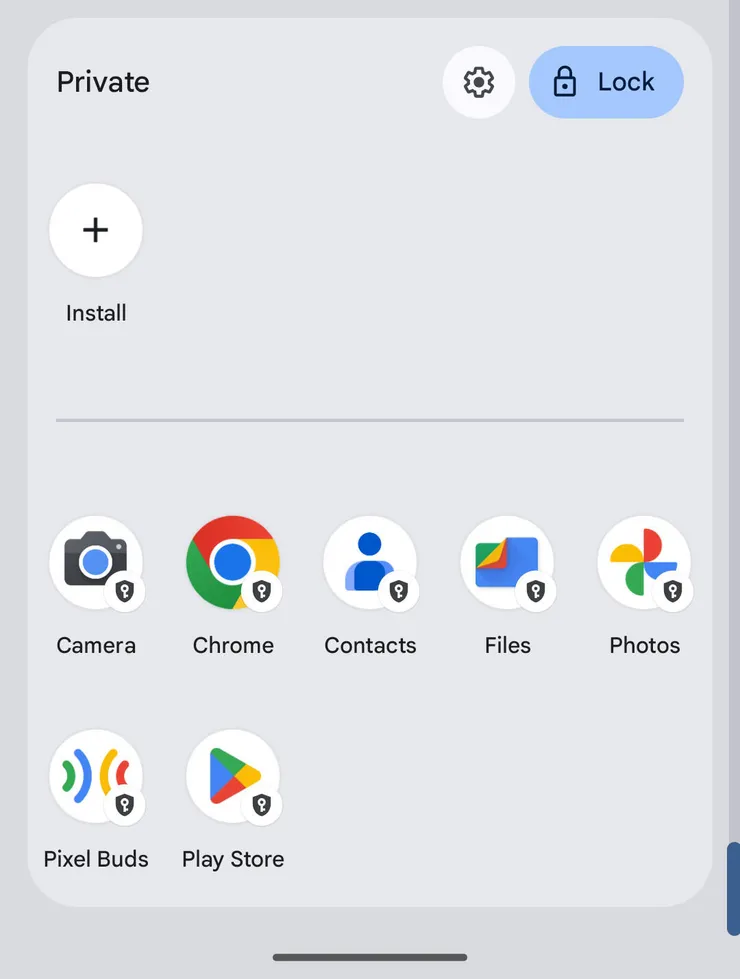
A new Android feature is quietly taking over phones, and it's creating a huge divide. It’s called Private Space, and it’s basically a secret vault inside your device for hiding apps and data behind an extra lock. This isn't just another small update. It's a fundamental change to how you can control your phone.
I know what you're thinking—it sounds a lot like old features or third-party apps. But Google baked this directly into the system with Android 15, making it a completely separate, sandboxed profile on your device. The chatter online is exploding because of what this means for privacy. And for secrecy.
Unpacking Android's Secret Vault
Private Space allows users to create a hidden area on their phone for sensitive applications, secured with a separate PIN or fingerprint. This zone is completely isolated, meaning apps inside don't appear in your recent apps, notifications, or settings when it's locked. You can even use a totally different Google account inside the space to keep data completely separate.
It’s a powerful new layer of security, way beyond what a simple app locker can do. This feature is a core part of what many see as Android's new privacy feature is going viral, creating a true digital safe on your phone.
Why It's Blowing Up Right Now
The conversation really kicked off as Android 15 rolled out to more devices beyond Google's own Pixel phones. Users on Reddit and X (formerly Twitter) are split. Some are praising it as the ultimate tool for security, perfect for protecting banking apps or work profiles without corporate oversight.
Others? Not so much.
"I then realized, that none of my phones content was available in private space and that I now had two 'Files' apps. One which was in private space and didn't have any content and one on my main space…" a Reddit user pointed out, highlighting a major point of confusion.
This is where the debate gets heated. It's not just a simple folder; it installs a fresh copy of the app, which doesn't sit well with everyone.
Common Mistake: Thinking It's Just Samsung's Secure Folder
A lot of users are making a critical error: assuming Private Space is just a Google-branded copy of Samsung's long-standing Secure Folder. While similar, they're built differently. Right now, Secure Folder is more mature, allowing users to easily copy existing files and apps over. Private Space makes you start fresh, which many early adopters find clumsy.
This isn't just about hiding a few photos. The implementation could make you question if your phone's AI is a digital trap, pushing you to isolate apps you don't fully trust.
| Feature | Google's Private Space | Samsung's Secure Folder |
|---|---|---|
| Integration | System-level, part of core Android | Built on Knox security, feels like an app |
| App Handling | Installs new, separate copies | Can clone existing apps easily |
| File Moving | Initially couldn't move files (added later) | Can move/copy files from day one |
| Availability | Android 15+ on various brands | Exclusive to Samsung devices |
Future of Digital Privacy or a Cheater's Paradise?
The biggest controversy isn't technical, it's ethical. Multiple tech outlets have noted the feature is being discussed as a tool for infidelity or hiding information from partners and employers. While Google pitches it for security, the real-world use cases are proving to be far more complex and personal.
This is a huge step in personal device management, finally addressing what some might call one of Google is finally fixing Android's biggest flaw: a lack of layered, user-controlled security for specific apps.
Final thoughts
Private Space is here to stay, and it's going to evolve. Samsung is already reportedly planning to transition its Secure Folder to use Android's underlying Private Space tech in future updates for better security. This signals a major shift toward this new standard. Expect Google to smooth out the rough edges—like making file transfers easier—in upcoming Android versions. This isn't just a feature; it's the new baseline for privacy on Android, for better or worse.