
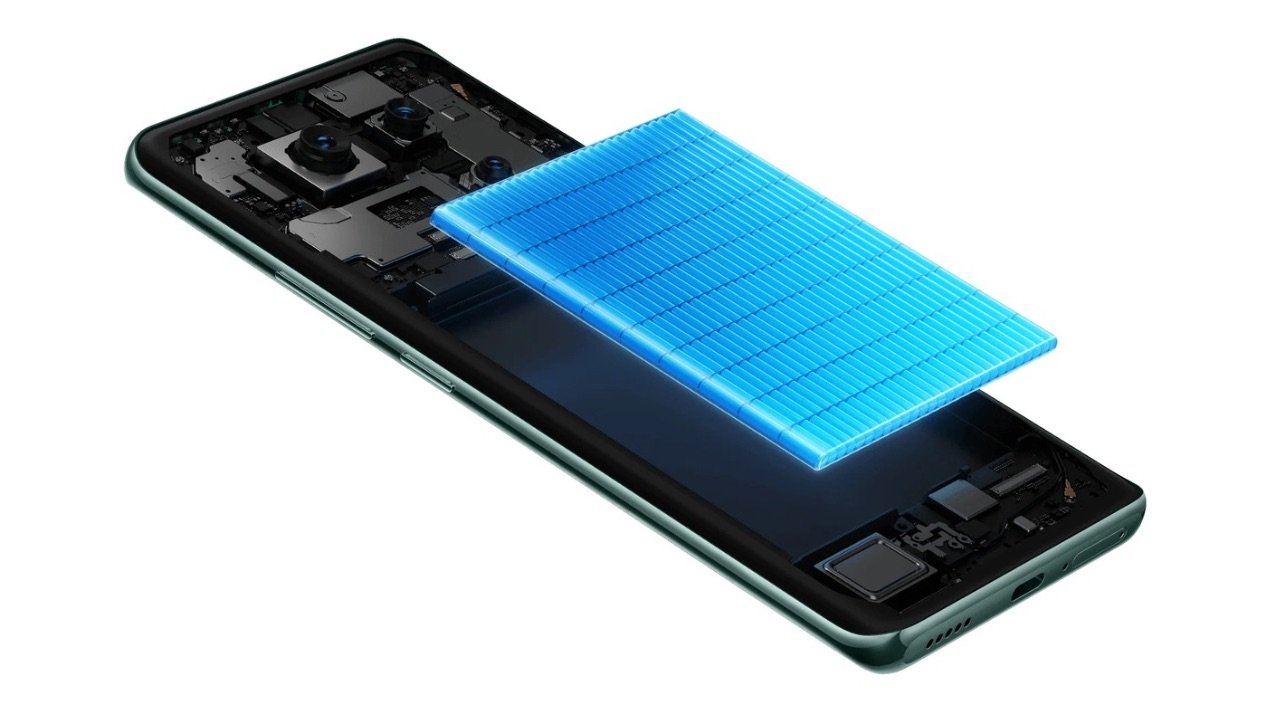
You grab your smartphone, only to see the battery icon flashing red. You know the frustration. Many users feel their phone's power just doesn't last like it used to, often wondering what exactly is inside their device making it tick – or, more accurately, making it not tick. The secret lies in the battery type, and understanding it can empower you to get more out of your mobile experience and extend its useful life. You might worry about fast charging damaging your battery, or why your once all-day phone now barely makes it to lunch. These are valid concerns shared by many, rooted in the complex chemistry that fuels our digital lives.
Key Takeaways
- Most modern smartphones use Lithium-ion (Li-ion) or Lithium Polymer (Li-Po) batteries, which are chemically similar but differ in their physical structure and electrolyte type.
- Battery lifespan is measured in charge cycles, with most lasting 500-800 cycles before significant capacity loss. Maintaining a 20%-80% charge level can greatly extend this life.
- Fast charging is generally safe due to advanced Battery Management Systems (BMS), but swollen batteries are a serious safety hazard requiring immediate professional attention.
Lithium-Ion vs. Lithium-Polymer: Decoding the Core Differences
Most modern smartphones rely on either Lithium-ion (Li-ion) or Lithium Polymer (Li-Po) batteries, which function on similar electrochemical principles but differ primarily in their electrolyte and packaging, impacting their form factor and manufacturing cost.
At their heart, both Li-ion and Li-Po batteries operate by moving lithium ions between a positive and negative electrode. The key distinction lies in the electrolyte. Li-ion batteries typically use a liquid electrolyte within a rigid metal casing, often cylindrical or prismatic. This design is robust and offers a high energy density, meaning more power packed into a smaller space.
In contrast, Li-Po batteries utilize a gel-like polymer electrolyte. This allows for more flexible, thin, and lightweight pouch packaging, making them ideal for the sleek designs of modern smartphones and other compact gadgets. As Dr. Arumugam Manthiram, Professor of Materials Science and Engineering, notes, "The distinction between Li-ion and Li-Po in consumer devices is often about packaging and electrolyte consistency, not fundamental chemistry. Both are lithium-ion technologies, with Li-Po offering greater design flexibility."
Despite their differences in form, both types share critical advantages over older battery technologies. They boast good energy density and, crucially, do not suffer from the 'memory effect.' This means you don't need to fully discharge them before recharging, unlike nickel-cadmium batteries of the past. However, some industry analysis suggests that while Li-ion generally offers higher energy density and longer lifespans (500-1000 cycles), Li-Po can be lighter per kilogram, though sometimes with a shorter cycle life (300-500 cycles) and higher manufacturing cost.
Understanding Battery Lifespan and Degradation
Smartphone battery lifespan is primarily measured in 'charge cycles,' with most batteries typically lasting between 500 to 800 full charge cycles before their capacity naturally declines to about 80% of the original amount, directly impacting daily usability.
"My phone battery used to last all day, but now after two years, it barely makes it past lunch. It's frustrating how fast they degrade," one user shared, a common sentiment. This natural decline is an unavoidable reality of current battery chemistry. Every full charge from 0% to 100% and discharge back to 0% counts as one cycle. Partial charges add up to full cycles over time.
For optimal longevity, battery research scientist Dr. Jeff Dahn advises, "For optimal longevity, avoid fully charging to 100% and fully discharging to 0%. Keeping your battery between 20% and 80% charge level can significantly extend its useful life." This isn't just a suggestion; it's rooted in fundamental battery chemistry. Charging to 100% and discharging to 0% places immense voltage stress on the battery's internal components, accelerating chemical aging. Specifically, at very low states of charge, cells become unstable, while at very high states, the increased voltage generates heat, further breaking down the electrolyte.
Maintaining the 20%-80% range minimizes this stress, allowing lithium ions to move more freely and reducing the degradation rate. This practice translates directly into a longer useful life for your smartphone. Curious how long your phone might last with better habits? Explore insights on Your Smartphone’s Secret Life: How Long Can It Truly Last?.
Battery Capacity Over Charge Cycles
*Capacity typically drops to 80% after 500-800 full charge cycles, with further decline thereafter.
The Truth About Fast Charging and Safety
Modern fast charging technologies are generally safe for smartphone batteries because sophisticated Battery Management Systems (BMS) actively regulate voltage and current, preventing overheating and potential damage.
Many users worry, "I always use fast charging and haven't noticed any major issues with my battery life. Maybe it's not as bad as people say, or my phone handles it well." This user opinion highlights a common misconception. Fast charging does generate more heat, which can concern users, but the crucial component making it safe is the Battery Management System (BMS).
Professor of Energy Engineering, Dr. Venkat Viswanathan, confirms, "While fast charging does generate more heat, modern Battery Management Systems are highly sophisticated. They regulate voltage and current to protect the battery, making fast charging safe for most devices." The BMS acts as the battery's brain and guardian. It constantly monitors the battery's state, calculating charge levels, managing temperature, and providing critical protection against overcharging, over-discharging, and overcurrent. Without a robust BMS, fast charging would indeed be a significant risk to battery longevity and safety.
These systems ensure that power delivery is controlled, preventing the kind of excessive stress that leads to rapid degradation. While fast charging won't necessarily make your battery last longer, it won't inherently shorten its life if your device has a well-designed BMS. If you're experiencing unusual battery issues, even with modern phones, you might find valuable information in articles like iPhone Battery Drain Explodes After Latest iOS Update.
When Batteries Go Bad: Swelling and Safety Hazards
Battery swelling is a critical sign of internal damage and gas buildup, posing a serious safety hazard that requires immediate action to prevent overheating, chemical leakage, or even fire.
"The biggest pain is when the battery starts to swell. My phone back panel popped open, and it felt super risky. Had to get it replaced, which wasn't cheap," recounts a user. This experience is a stark warning. Swollen batteries occur when internal chemical reactions go awry, typically due to age, overcharging, or high temperatures, leading to the production of gas that inflates the battery's casing.
Teardown expert JerryRigEverything (Zach Nelson) emphasizes, "Battery swelling is a clear sign of degradation and potential internal damage, usually from gas buildup. It's a serious safety hazard and the device should be professionally serviced or the battery replaced immediately." Ignoring a swollen battery is dangerous. The internal pressure can warp your phone's screen or casing, and if the casing ruptures, it can lead to fire, explosion, or the leakage of corrosive and flammable chemicals. These chemicals can cause skin irritation or respiratory issues if inhaled.
Quick Action Plan for a Swollen Battery:
- Power down the device immediately. Do not use or charge it further.
- Do not puncture, squeeze, or attempt to repair the battery. This can cause a violent rupture or fire.
- Place the device in a cool, safe, non-flammable location, like a ceramic bowl or porcelain sink.
- Seek professional service or battery replacement right away. This is not a DIY fix.
The Future of Smartphone Power: Beyond Lithium
Emerging battery technologies like solid-state and graphene promise significant advancements in energy density, charging speed, and safety, but are currently in testing stages and not yet widely available in mainstream smartphones.
The current lithium-ion and lithium-polymer technologies have served us well, but they have limitations. The search for the 'next big thing' in battery tech is intense. Researchers are actively developing solid-state and graphene batteries to overcome these hurdles. Solid-state batteries, for instance, replace the liquid or gel electrolyte with a solid material, offering several compelling advantages.
These next-generation batteries theoretically allow for higher energy density, meaning your phone could last much longer on a single charge. They also promise significantly faster charging times—some prototypes have shown full charges in as little as 10-12 minutes—and improved safety due to the absence of flammable liquid electrolytes. Graphene batteries also offer incredible potential, including exceptional durability, faster charging, and a much longer lifespan of up to 30,000 cycles.
Despite these exciting possibilities, these technologies are still primarily in the lab or in early-stage commercial applications, often for niche products or electric vehicles. Mass production for smartphones still faces challenges related to cost, manufacturing complexity, and ensuring long-term stability across wide temperature ranges. However, major players like Samsung are heavily invested in graphene research, hinting at a potential shift in the coming years. To see what other innovations are coming to mobile devices, read more on April 2026: Top 5 Smartphones Ready to Redefine Your Tech.
A Critical Look at Non-Replaceable Batteries
The industry's shift towards non-replaceable smartphone batteries, while enabling sleeker designs and water resistance, creates significant economic and environmental waste by forcing premature device replacement due to battery degradation.
One of the most frustrating aspects for many users is the difficulty of replacing a tired battery. "I wish phone manufacturers made batteries easier to replace. It feels like such a waste to buy a whole new phone just because the battery is tired," voiced a user. This isn't just a convenience issue; it's a major environmental and economic concern.
Today, nearly 100% of smartphone and tablet batteries are glued in place, making replacement challenging and costly, often requiring specialized tools and expertise. When a battery degrades after its typical 2-3 year peak performance, users often face a choice: an expensive, complex repair, or buying an entirely new device. This practice directly contributes to an increase in electronic waste. The premature discarding of otherwise functional smartphones leads to a loss of valuable raw materials and unnecessary consumer expenditure. It also impacts device performance, leading to a slower user experience, which you can read more about in Why Your iPhone Is Suddenly So Slow.
"Battery failure is one of the most common problems for many consumer electronics and often the first component to fail… Yet, between inaccessible design, the use of adhesives, software locks, lack of replacement parts, tools and repair information, many batteries are destined never to be replaced, repaired or recycled." – European Environmental Bureau and Right to Repair campaign report
While manufacturers argue for design aesthetics and water resistance, the long-term cost to both your wallet and the planet is substantial. Some regulatory bodies are pushing for 'Right to Repair' legislation to mandate easier battery replacement, aiming to extend product lifespans and reduce e-waste.
Frequently Asked Questions
How often should I replace my smartphone battery?
Typically, you should consider replacing your smartphone battery when its capacity drops to about 80% of its original level. This usually happens after 500-800 full charge cycles, which for most users translates to roughly 1.5 to 3 years of regular use. When the phone struggles to last through a day, even with moderate use, it's a strong indicator that replacement is due.
Can extreme temperatures affect battery life?
Yes, extreme temperatures, both hot and cold, significantly impact smartphone battery life and health. High heat accelerates chemical degradation, while very cold temperatures temporarily reduce battery capacity and can cause permanent damage over time. Always avoid leaving your phone in direct sunlight, hot cars, or freezing environments.
Is it safe to charge my phone overnight?
Modern smartphones with intelligent Battery Management Systems (BMS) are generally safe to charge overnight. Features like "Optimized Battery Charging" (Apple) or "Adaptive Charging" (Android) learn your habits and slow down charging past 80%, delaying the final top-up until just before you typically wake up. This prevents the battery from sitting at 100% under high voltage stress for extended periods, mitigating long-term damage. However, for maximum longevity, keeping the charge between 20-80% remains the ideal practice.
Power Up Your Knowledge, Extend Your Phone's Life
Understanding the types of batteries powering our smartphones and the best practices for their care isn't just technical jargon; it's essential knowledge for extending the life of your device and saving money. From the subtle differences between Li-ion and Li-Po to the vital role of your phone's internal guardian, the BMS, every piece of information helps you make smarter choices. Avoid the pitfalls of battery swelling and embrace optimal charging habits to keep your phone performing its best for years to come. Don't let battery anxiety dictate your smartphone experience. Take control, apply these insights, and give your device the power it deserves.
References / Sources
[1] benzoenergy.com