Delivering trusted U.S. technology and AI business insights—crafted daily with expert analysis and market impact.

AI Giant vs. US Military: Pentagon Issues Ultimatum to Anthropic Over Tech Use
The US military has issued a stark ultimatum to AI company Anthropic, demanding unrestricted use of its technology or face being blacklisted.

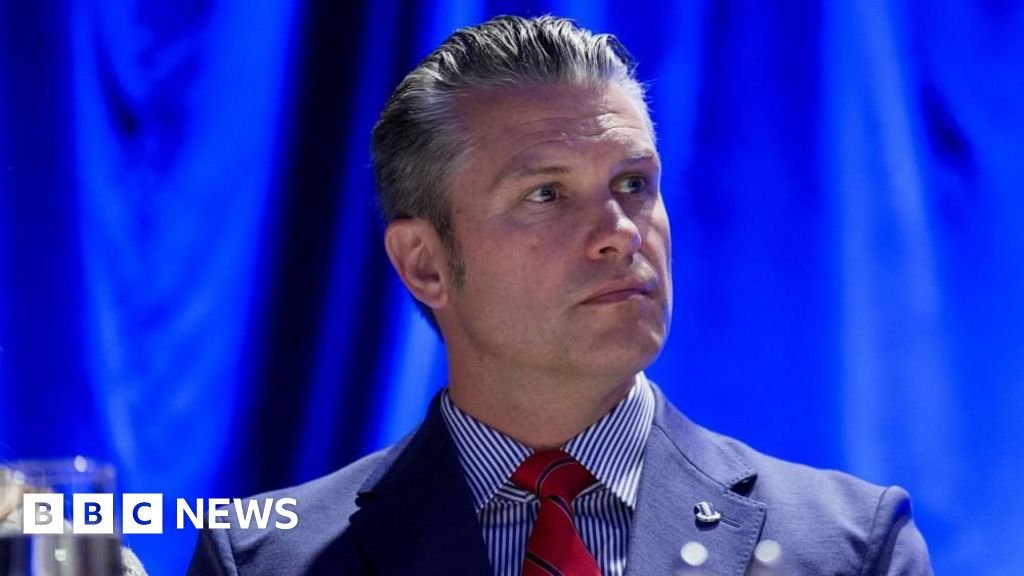
A serious conflict is brewing between the United States military and the artificial intelligence company Anthropic. The US Secretary of Defense, Pete Hegseth, has given the company a strict deadline: either allow its AI technology to be used for military purposes without restriction, or be removed from the Pentagon's list of suppliers.
The ultimatum was delivered during a tense meeting on Tuesday between Hegseth and Anthropic's CEO, Dario Amodei. According to sources close to the discussion, the Pentagon has given Anthropic until Friday evening to agree to its terms. If the company refuses, it could face severe consequences, including being labeled a "supply chain risk."
Even more seriously, the Pentagon has threatened to use the Defense Production Act. This is a powerful American law that could force Anthropic's leadership to comply with the military's demands on the grounds of national security.
Anthropic, the creator of the popular AI chatbot Claude, has built its reputation on being a safety-focused company. During the meeting, Amodei reportedly outlined the company's "red lines"—the things it will not allow its AI to do. These include creating autonomous weapons, where AI makes the final decision to attack and kill without a human command, and using its technology for mass surveillance of a country's own citizens.
However, a senior Pentagon official stated that the current disagreement is not about autonomous weapons or spying. The military's position is simply that it wants the freedom to use Anthropic's powerful AI models for any "lawful use case" it sees fit. The core of the dispute is summarized below:
| Issue Area | The Pentagon's Position | Anthropic's Ethical Stance |
|---|---|---|
| Usage Policy | Unrestricted use for all legal military operations. | Has "red lines" against certain uses. |
| Autonomous Attacks | Claims this is not the current point of conflict. | Strictly forbidden without human control. |
| Mass Surveillance | Claims this is not the current point of conflict. | Strictly forbidden for domestic spying. |
This isn't just about one company. Last summer, the Pentagon awarded contracts of up to $200 million each to four major AI firms: Anthropic, Google, OpenAI (maker of ChatGPT), and Elon Musk's xAI. The military wants all of them to allow full access to their technology.
The situation is complicated by reports that Anthropic's Claude model was already used by the US military, through a partnership with the company Palantir, during an operation that led to the capture of former Venezuelan President Nicolás Maduro in January.
Experts are watching closely. "They need to get to a resolution," said Emelia Probasco, a senior fellow at Georgetown University. "In my opinion, we should be giving the people we ask to serve every possible advantage. We owe it to them to figure this out."
News Analysis Report
This confrontation between the Pentagon and Anthropic highlights a growing and critical global debate: who controls powerful AI technology, and how should it be used? For years, major tech companies, born in a culture of open innovation, have tried to set ethical boundaries. However, as governments increasingly see AI as essential for national security, these ethical stances are being directly challenged. This specific case could set a major precedent for how other AI giants like Google and OpenAI will have to deal with military demands in the future, forcing the entire industry to decide where it draws the line between commercial ethics and national duty.
Our Opinion
The outcome of this dispute will shape the future of artificial intelligence in warfare. While it is crucial for a nation's defense to have access to the latest technology, it is equally important to establish strong ethical guidelines to prevent misuse. This is not just a business disagreement; it is a test case for responsible AI governance. Finding a middle ground that respects both national security needs and fundamental ethical principles is essential, otherwise, we risk heading into a future where technology outpaces our ability to control it.