Smartphone reviews, tips, news, guides, and updates for Android & iPhone.

iPhone or Android: Your Simple Guide to Choosing the Right Phone
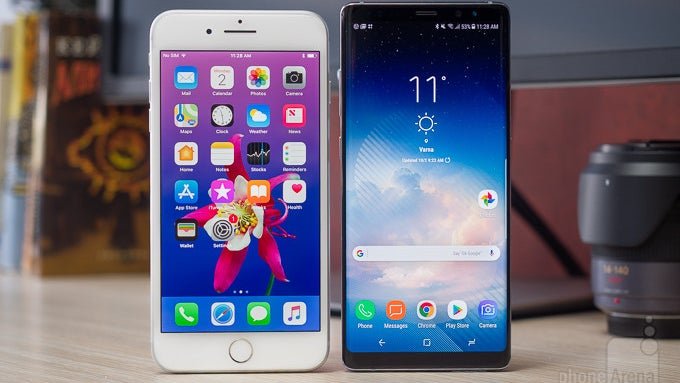
Choosing a new smartphone can feel overwhelming, a decision loaded with technical jargon and strong opinions. You're likely wondering if you're making a costly mistake or missing out on key features. It's a valid concern, as the phone you choose often locks you into a web of apps, accessories, and habits for years to come. This guide cuts through the noise to deliver a straightforward, human comparison, helping you decide based on what truly matters to your daily life and your wallet.
Quick Summary
- iPhone (iOS): Best for those who want a simple, secure, and reliable phone that works seamlessly with other Apple products. It offers a premium feel and high resale value but less customization.
- Android: Ideal for users who value choice, customization, and a wide range of prices. It offers more freedom to personalize your device but can be more complex, with software updates varying by brand.
- The Core Choice: Your decision ultimately comes down to a core philosophy. Do you prefer a finished product that “just works” out of the box (iPhone), or a flexible system you can tailor to your exact needs (Android)?
Core Philosophies: Simplicity vs. Freedom
At its heart, the debate between iPhone and Android is about two different approaches to technology. Understanding this fundamental difference is the key to knowing which phone will make you happier in the long run.
The iPhone's Finished Product Approach (Feature)
Apple designs both the hardware (the physical phone) and the software (iOS) together. This tight integration is a feature that results in a highly controlled, consistent experience across all iPhone models. From the moment you turn it on, the interface is intuitive and predictable.
- Advantage: This creates a smooth, stable, and incredibly easy-to-use device. You don't need to be a tech expert to get the most out of it. Everything is designed to “just work.”
- Benefit: You get a frustration-free experience that saves you time and reduces technical headaches. It provides peace of mind, knowing your device is secure and reliable.
A common sentiment among tech reviewers is that while the best Android phones have amazing and unique features, the average user is likely to have a more consistent, reliable experience on any modern iPhone.
Android's Open Platform Approach (Feature)
Google develops the Android software and provides it to many different manufacturers like Samsung, Google (with its Pixel line), Motorola, and others. This open platform is a feature that fosters incredible variety and choice.
- Advantage: You can choose from hundreds of different phones at virtually every price point. Beyond hardware, you can change everything from the home screen layout with custom launchers to the icons themselves.
- Benefit: This gives you the freedom to create a phone that is truly yours, tailored to your personality and workflow. You only pay for the features you need, and you have control over how your device looks and functions.
The Ecosystem Effect: How Your Phone Plays with Other Gadgets
Your first smartphone choice is often your last, not just because of the phone itself, but because of the ecosystem—the web of apps, accessories, and learned habits that makes it difficult to switch.
Apple's Seamless (but Closed) World
If you own a MacBook, iPad, or Apple Watch, an iPhone fits in like a missing puzzle piece. Features like iMessage, FaceTime, and AirDrop work flawlessly between Apple devices, creating a magical, interconnected experience. Your AirPods switch from your phone to your iPad without you doing anything. You can copy text on your Mac and paste it on your iPhone.
This seamlessness is a huge benefit, but it's also how Apple keeps you in their ecosystem. As one user said, "I stick with iPhone because of iMessage and FaceTime. All my friends and family are on it, and group chats just work perfectly without any fuss." The infamous "blue bubble vs. green bubble" issue is a real social pressure point for many users.
Android's Flexible and Open Connections
Android phones offer a different kind of advantage: they work well with a much wider variety of devices from different companies. Your Samsung phone connects easily to your Windows PC, your Google Nest hub, and your Garmin watch. This flexibility means you're not locked into one brand for all your tech, giving you the freedom to mix and match and often save money.
A Common Mistake: Underestimating the Switching Cost
Many users fail to consider the long-term friction of changing platforms. Moving your data is more than just contacts and photos. It involves repurchasing apps, losing access to platform-specific services (like iMessage), and the frustrating process of transferring years of chat history from apps like WhatsApp, which can be surprisingly difficult and time-consuming. Realistically assessing this "switching cost" is crucial before making a long-term commitment.
Cost and Long-Term Value: More Than Just the Sticker Price
How much a phone costs isn't just the price you pay at the register. It’s also about how much value it holds over time and the hidden costs of ownership.
The Resale Value Gap
This is where the iPhone has a clear, data-backed advantage. iPhones hold their value significantly better than Android phones.
- Feature: Due to strong brand perception, durable design, and long-term software support (often 6-8 years), iPhones remain in high demand on the resale market.
- Advantage: After a few years, an iPhone will be worth a much higher percentage of its original price compared to a comparable Android phone.
- Benefit: This means your total cost of ownership is lower. When you upgrade, you get more money back from selling your old iPhone, making the next purchase more affordable. It makes the higher initial price feel much more reasonable.
Resale Value After 3 Years (Approximate)
iPhone:
60%
High-End Android:
30%
Upfront Cost and Repairability
While Android offers phones at every price point, from budget-friendly to premium flagships, iPhones occupy the premium end of the market. However, the conversation about long-term cost doesn't end with resale. Repair costs can be a significant factor. While official Apple repairs can be expensive, the widespread popularity of iPhones means parts and third-party repair options are plentiful. For some specific Android models, finding a qualified repair shop or specific parts can be more challenging.
Thinking about the true expense of a new device? A smart buyer should always explore how much do phones cost beyond just the initial price tag.
For Work, Family, and Accessibility
Modern smartphones are central to our professional and family lives. How each platform handles these specific needs can be a deciding factor.
Use in a Business Environment
For a long time, iPhones were the default choice for business due to their reputation for security and ease of management. Apple's controlled ecosystem and consistent updates make it easier for IT departments to secure a fleet of devices.
However, Android has made huge strides with features like Samsung Knox and Android Enterprise, offering robust tools for separating work and personal data. The flexibility and wider range of hardware, including rugged devices for field work, make Android a compelling choice for many businesses that need customized solutions.
Parental Controls and Family Sharing
Both platforms offer robust parental controls, but they operate differently.
- iPhone: Apple's Screen Time is built-in and integrates seamlessly across all Apple devices in a family. It's generally considered easier to set up for basic content filtering and time limits. However, managing a child's iPhone requires the parent to also have an Apple device.
- Android: Google's Family Link is a powerful app-based solution that gives parents granular control, including the ability to lock a child's device remotely and approve or deny app installations. Android's open nature also allows for more powerful third-party parental control apps that can monitor social media and other activities more deeply than is possible on iOS.
Accessibility Features
Both Apple and Android have invested heavily in making their devices usable for everyone. Apple has a long-standing reputation for polished, built-in accessibility features like the VoiceOver screen reader, which is often considered the gold standard. Android's strength lies in its customization, with tools like TalkBack, Select to Speak, and Voice Access offering deep control for users with vision, hearing, or motor challenges.
| Feature Comparison | iPhone (iOS) | Android |
|---|---|---|
| Price Range | Premium | Budget to Premium |
| Customization | Low | High |
| App Store | App Store (Curated) | Google Play (More Open) |
| Ecosystem | Works best with Apple products | Works with a wide variety of brands |
| Resale Value | High | Low to Medium |
| Software Updates | Consistent for all devices | Varies by manufacturer |
FAQs: Answering Your Top Questions
Which is more secure, iPhone or Android?
Generally, the iPhone is considered more secure out of the box. Apple's strict control over the App Store reduces the risk of malware, and consistent, timely software updates for all devices close security holes quickly. Android is also very secure, but its open nature means users can install apps from third-party sources, which increases risk. For most users who stick to the Google Play Store, both platforms are highly secure. But remember, no matter the device, your phone's security is a myth in 2026 if you don't practice safe habits.
Which phone has a better camera?
This is a tie, and it depends on your priorities. Both the latest iPhones and high-end Android phones from Google (Pixel) and Samsung (Galaxy) have phenomenal cameras that produce stunning photos. iPhones are often praised for their best-in-class video recording and natural color processing. Top Android phones often lead the way in specific features like powerful telephoto zoom lenses and advanced AI-powered photo editing tools.
Is it hard to switch from Android to iPhone (or vice versa)?
It can be more difficult than you think. While both platforms have apps (Move to iOS and Quick Start) to help transfer contacts, photos, and calendars, the process isn't always smooth. The biggest pain points are moving app data, especially WhatsApp chats, and re-buying any paid apps on the new platform. It's a significant consideration if you're deeply invested in one ecosystem.
The Final Verdict: The Best Phone is the One for You
There is no single “best” phone. The right choice depends entirely on what you value.
Choose an iPhone if:
- You value simplicity, security, and a premium experience that works perfectly out of the box.
- You already own a Mac, iPad, or Apple Watch and want seamless integration.
- You care about long-term software support and high resale value.
Choose an Android phone if:
- You want the freedom to customize your device to look and work exactly how you want.
- You want more choices in hardware, from foldable phones to budget-friendly options.
- You are heavily invested in Google's services like Gmail, Google Photos, and Google Assistant.
Ultimately, choosing a phone is like picking a car. One person wants a reliable sedan that's easy to drive and holds its value. Another wants a custom truck they can modify for any task. Both are great choices, but they serve different people. Analyze your own needs, budget, and the technology you already own. That is the simple secret to picking the perfect phone for you.