Smartphone reviews, tips, news, guides, and updates for Android & iPhone.

Chinese Phones vs Samsung: Which Is The Best?
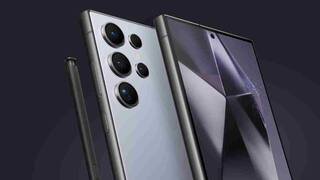
You’re standing at a crossroads, with $500 in your hand and a decision to make that will affect your daily life for years. In one direction, you have Chinese powerhouses like Xiaomi, OnePlus, and Realme, offering incredible speed and features that seem almost too good to be true. In the other, the global giant Samsung, promising a reliable, polished experience that just works. This isn't just about buying a new phone; it's about choosing your philosophy: raw, untamed power for today or a trusted, long-term companion for tomorrow.
In a Nutshell
- Raw Power vs. Polished Experience: Chinese phones often deliver superior hardware (faster processors, more RAM, quicker charging) for the same price. Samsung focuses on a seamless software experience, a connected ecosystem, and unparalleled long-term support.
- The Software Divide: Samsung's One UI is widely considered cleaner and more user-friendly, with a 7-year security update promise that's the best in the business. Some Chinese phone software (like MIUI) can include ads and bloatware, with shorter update commitments.
- Total Cost of Ownership: The sticker price is only part of the story. Consider potential repair costs, resale value, and how long you plan to keep the phone to understand the true long-term value of your investment.
Hardware and Performance: Getting More Bang for Your Buck
For the value-conscious shopper, the spec sheet is often the first battleground, and this is where Chinese brands land a powerful first punch. When you compare a mid-range Chinese phone to a similarly priced Samsung Galaxy, the difference is often stark. You're frequently getting a faster processor, more memory (RAM) for smoother multitasking, and battery charging speeds that leave the competition in the dust.
One user on Reddit put it perfectly: 'My OnePlus charges so fast, I never worry about my battery. My friend's Galaxy A57 takes forever. I can't go back.' It’s a tangible, everyday benefit. In the time it takes a Samsung to get a partial charge, a phone from a brand like Xiaomi or OnePlus can be fully powered and ready to go. This isn't just a minor convenience; it changes how you use your device, freeing you from battery anxiety.
Click to See: ~$500 Phone Spec Showdown (2026 Estimate)
<div style="font-family: Arial, sans-serif; border: 1px solid #ddd; padding: 15px; border-radius: 8px; background-color: #f9f9f9;">
  <h4 style="margin-top: 0; text-align: center;">Bang-for-Your-Buck Battle</h4>

  <div style="margin-bottom: 15px;">
    <strong>Chinese Brand (e.g., Realme/Xiaomi)</strong>
    <div style="width: 100%; background-color: #e0e0e0; border-radius: 5px;">
      <div style="width: 90%; background-color: #4CAF50; text-align: right; color: white; padding: 5px 0; border-radius: 5px;">90%</div>
    </div>
    <small>Processor Speed</small>
  </div>

  <div style="margin-bottom: 15px;">
    <strong>Samsung Galaxy A-Series</strong>
    <div style="width: 100%; background-color: #e0e0e0; border-radius: 5px;">
      <div style="width: 70%; background-color: #2196F3; text-align: right; color: white; padding: 5px 0; border-radius: 5px;">70%</div>
    </div>
    <small>Processor Speed</small>
  </div>

  <div style="margin-bottom: 15px;">
    <strong>Chinese Brand (e.g., Realme/Xiaomi)</strong>
    <div style="width: 100%; background-color: #e0e0e0; border-radius: 5px;">
      <div style="width: 100%; background-color: #4CAF50; text-align: right; color: white; padding: 5px 0; border-radius: 5px;">100W+</div>
    </div>
    <small>Charging Speed</small>
  </div>

  <div style="margin-bottom: 5px;">
    <strong>Samsung Galaxy A-Series</strong>
    <div style="width: 100%; background-color: #e0e0e0; border-radius: 5px;">
      <div style="width: 45%; background-color: #2196F3; text-align: right; color: white; padding: 5px 0; border-radius: 5px;">45W</div>
    </div>
    <small>Charging Speed</small>
  </div>
</div>
As Elias Petro from Digital Trends notes, "For the value shopper who wants the most power for their dollar today, it's impossible to ignore Chinese brands. You're getting hardware that rivals phones costing twice as much, but you trade long-term software peace of mind."
Software and Security: The Long-Term Promise
Here’s where the tide turns dramatically in Samsung's favor. A phone's hardware is only half the story; the software you interact with every day is just as vital. Samsung's One UI is often praised for being cleaner and more intuitive than the software skins on many Chinese phones, which can sometimes come with pre-installed apps (bloatware) and even ads in system applications. A common complaint about budget Chinese phones is 'finding ads in the file manager and other system apps. I had to use a guide to disable them all.'
But the real game-changer is Samsung's update policy. The company promises up to 7 years of security updates for many of its devices, a commitment that is currently unmatched in the Android world. Chinese brands typically offer a shorter support window, maybe 2-4 years.
This isn't just about getting new features. It's about security. A frequent comment you'll see is: 'I chose the Samsung because I know it will get security patches on time. With my old phone, I'd sometimes wait months for an update.' With the increasing number of digital threats, knowing your phone is protected against the latest vulnerabilities provides invaluable peace of mind. Without timely security patches, you could be leaving yourself open to risks, a scenario you want to avoid if you're concerned about how easily your Android can be hacked in 60 seconds.
As Techsights Analytics expert Ayesha Khan says, "Samsung's strategy is clear: sell a reliable experience. Their 7-year update policy is a game-changer for people who don't buy a new phone every two years. You're not just buying a phone; you're buying a service."
The All-Important Ecosystem
Another point for Samsung is its tightly integrated ecosystem. If you own a Samsung watch, earbuds, or laptop, the experience of having them all work together seamlessly is a powerful draw. It just works. A user praising Samsung mentioned, 'I love that my phone, watch, and laptop all work together perfectly. It just makes my life easier.' Chinese brands, which often operate more independently, can't yet match this level of hardware and software synergy.
Beyond the Spec Sheet: Resale Value and Repairs
A phone's true cost isn't just what you pay at checkout. It's the total cost of ownership over its lifetime, and this is an area many buyers overlook.
Resale Value: Holding Onto Worth
Samsung phones, much like Apple's iPhones, tend to hold their value significantly better than most Chinese brands. If you're someone who likes to upgrade every couple of years, getting a higher trade-in or resale price for your old Samsung can make your next phone much more affordable. Chinese phones often see a faster depreciation in value, especially outside of Asian markets.
Repairability: The Hidden Cost
What happens when you drop your phone? This is where the story gets interesting. Surprisingly, recent data suggests Samsung can be one of the cheapest brands to repair, especially for screen replacements. Because Samsung manufactures many of its own components, like screens, it can often offer repairs at a lower cost than competitors who have to source parts.
On the other hand, the repair experience for some Chinese brands can be inconsistent. A forum user shared, 'I broke my Xiaomi screen and the official repair was cheap and fast.' Yet another user's friend had a different experience: 'My friend's Samsung screen replacement cost almost half the price of the phone itself.' While individual experiences vary, official repair networks for Samsung are generally more widespread and standardized than for some newer Chinese entrants.
The Final Verdict: Who Are You Buying For?
So, which phone gets your hard-earned money? The choice isn't about which phone is objectively "better," but which phone is better for you. It comes down to your priorities.
Choose a Chinese Brand (like Xiaomi, OnePlus, Realme) if:
- You're a Power User on a Budget: You want the absolute best performance—the fastest processor, the most RAM, the quickest charging—for your money right now. You're willing to trade long-term software support for immediate hardware dominance.
- You Love to Tinker: You don't mind spending a little time disabling bloatware or customizing your software to get it just right.
- You Upgrade Frequently: You plan on getting a new phone in 2-3 years, so a 7-year update policy isn't a major selling point for you.
Choose Samsung if:
- You're a Long-Term Investor: You want a phone that will last, with guaranteed security updates that will keep it safe for 5, 6, or even 7 years. Peace of mind is your top priority.
- You Value Simplicity and Integration: You want a clean, easy-to-use software experience right out of the box and a device that works perfectly with your other gadgets. Perhaps you're even thinking of a future upgrade and are comparing models like the Samsung Galaxy S26 Ultra vs. S23 Ultra.
- You Want a Strong Resale Value: You see your phone as an investment and want to get the most money back when it's time to sell or trade it in.
Ultimately, the battle between Chinese smartphones and Samsung is a fantastic thing for us, the shoppers. It creates fierce competition that pushes prices down and innovation up. Now, the choice is yours. Are you betting on the thrilling sprint or the steady marathon?