Smartphone reviews, tips, news, guides, and updates for Android & iPhone.

GPS vs. Smartphone in 2026: The Brutally Honest Guide for Travelers
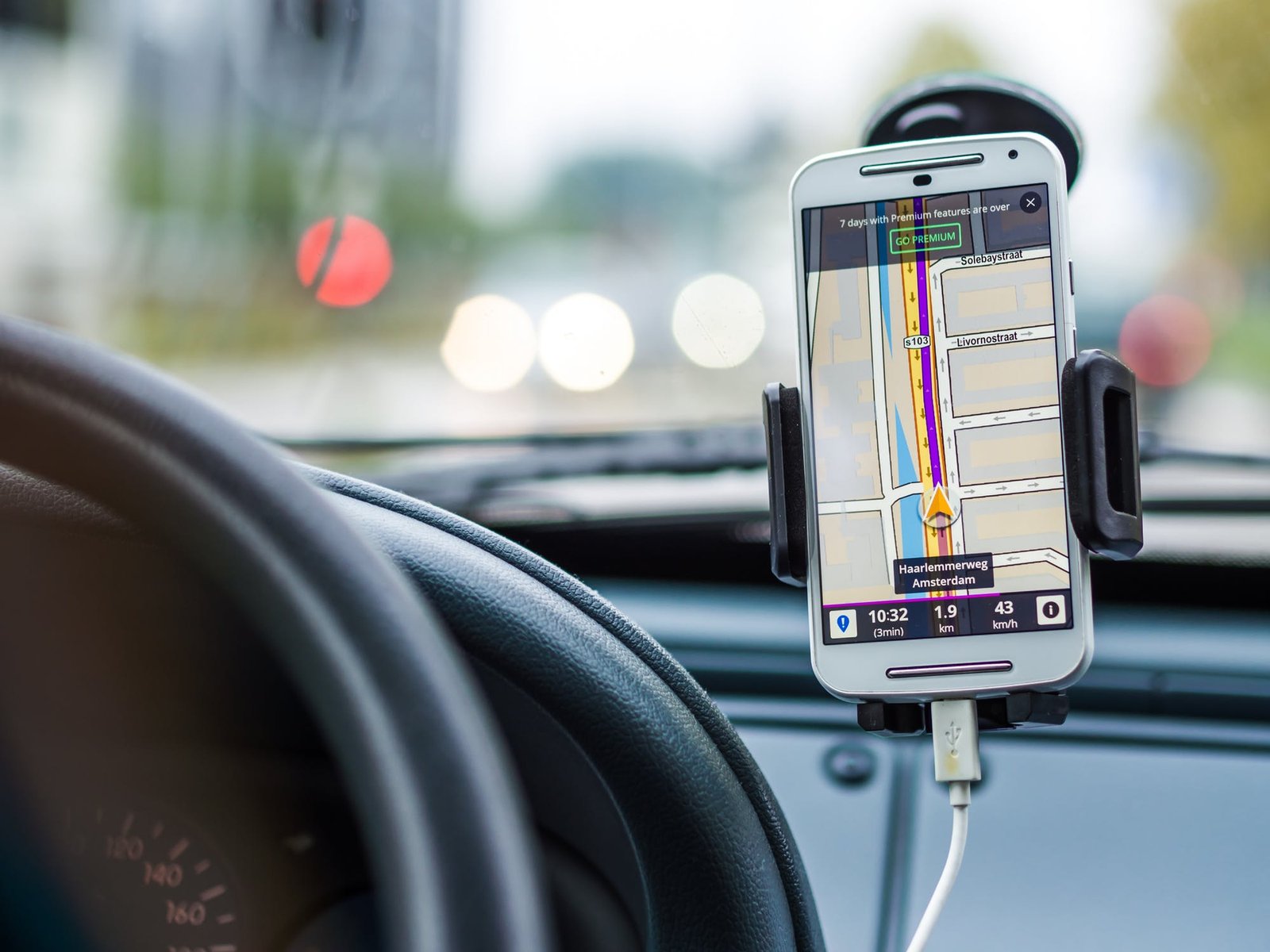
The navigation debate is simple: should you trust the supercomputer in your pocket or a purpose-built GPS device? For frequent travelers, off-road adventurers, and anyone who relies on a map to get home, this choice is more than a matter of convenience. It’s about reliability when things go wrong. One device offers unmatched versatility, while the other provides rugged peace of mind. The right answer for you depends entirely on where you're going.
In a Nutshell
- For City & Highway Drivers: Your smartphone is likely all you need. With constant cell service and familiar apps, it’s the convenient choice for 90% of daily navigation.
- For Off-Grid Adventurers: A dedicated GPS is non-negotiable. Its superior battery, durability, and reliable satellite connection make it essential safety equipment where cell signals don't exist.
- The Deciding Factor: The choice hinges on one question: What happens when you have no signal? A GPS is built for that moment; a smartphone is not.

Garmin Drive 52, GPS Navigator …
Core Differences: What Are You Really Choosing Between?
The fundamental choice between a dedicated GPS and a smartphone is one of specialization versus generalization. A smartphone is a jack-of-all-trades that navigates well, while a dedicated GPS is a master of one, built to function in environments where a phone would fail. This distinction becomes clear when comparing their physical attributes and core functions.
Durability & Reliability: The Unbreakable Promise
A key feature of dedicated GPS units is their rugged construction. They are often built to military standards (MIL-STD-810G) and carry IPX7 water-resistance ratings. The advantage here is resilience in harsh conditions; they are designed to be dropped, shaken, and submerged without failing. As one user put it, "My phone shut down from overheating on a sunny dashboard in Arizona. My Garmin just kept going." For you, the benefit is confidence. You can focus on the trail or the road ahead, knowing a sudden rainstorm or a fumble onto the rocks won't destroy your primary wayfinding tool.
Smartphones, by contrast, are fragile. While some offer water resistance, they are not built for the abuse of serious outdoor use. A single drop can shatter the screen, and extreme temperatures can cause them to shut down or kill the battery.
Screen & Usability: Seeing Clearly Under Pressure
Dedicated GPS devices feature screens designed for sunlight readability. Their matte-finish, transflective displays become clearer in bright sun, the exact opposite of a smartphone's glossy screen. The advantage is that you can always see your map without squinting or searching for shade. Another feature is the inclusion of large, physical buttons. As one user noted, "Trying to use my phone's touchscreen with muddy gloves on is impossible. The big buttons on my GPS are a lifesaver." The benefit is practical usability when it matters most—in the cold, rain, or when your hands are dirty.
Convenience & Integration: The All-in-One Powerhouse
Here, the smartphone is the clear winner. Its primary feature is that you already own it and carry it everywhere. There’s no need for a second device. The advantage is seamless integration with your digital life—music, calls, and real-time traffic and business data from apps like Google Maps or Waze. For many, the benefit is simplicity. As one user argued, "I hate carrying two devices. I just download offline Google Maps… One less thing to charge and worry about." If your travels are mostly on paved roads with reliable service, this convenience is hard to beat. However, this convenience can be a double-edged sword, as we'll explore later.
Off-Grid and Backcountry: Where the Real Test Begins
Once you leave cell service behind, the strengths of a dedicated GPS become critically important. In these environments, a device's ability to connect directly to satellites without relying on cellular assistance is the difference between being found and being lost.
True Satellite Power vs. Cellular Dependence
A smartphone's GPS function often uses a combination of GPS satellites and cell tower triangulation for a fast, accurate fix. When you lose cell service, the phone can still get a GPS signal, but it's often slower and drains the battery at an alarming rate. Dedicated GPS units are optimized for satellite-only communication, giving them dramatically better battery life—days, not hours. The benefit is endurance; your navigation tool will last for an entire multi-day trip, unlike a phone that might die in less than a day of continuous GPS use. If you are concerned about your phone's battery life for any reason, you might be interested in how The Smartphone Battery Wars Are Here: 10,000mAh Phones Just Became a Reality.
Evolution of SOS: One-Way Alert vs. Two-Way Conversation
By 2026, many smartphones have a basic satellite SOS feature, which can send a one-way distress signal. This is a fantastic safety net. However, high-end dedicated GPS communicators (like many Garmin inReach models) offer a game-changing feature: two-way satellite messaging.
The advantage of two-way communication is the ability to interact with rescuers. You can describe your situation, confirm they received your SOS, and get updates on their ETA. As one user who was rescued after a fall explained, "That SOS button on my GPS saved me… I could text back and forth with rescuers so they knew my exact state. A phone's SOS wouldn't have done that." The benefit is not just rescue, but managed rescue. This capability transforms a terrifying situation into a manageable emergency, providing immense psychological relief.
Cost Breakdown: The Hidden Price of "Free" Navigation
While smartphone apps appear free, the total cost of ownership can be misleading. A dedicated GPS requires a significant upfront investment, but recurring app subscriptions and the potential for damaging your expensive phone can quickly close the cost gap.
Many users complain about "subscription fatigue." The idea of paying a monthly fee for premium features on a navigation app feels like another bill in a world already full of them. A dedicated GPS is typically a one-time purchase, which many find psychologically freeing.
Here’s a look at the potential five-year total cost of ownership:
**Cost Comparison: Smartphone vs. Dedicated GPS (5-Year Estimate)**

**Smartphone Navigation:**
Premium App Subscription ($50/yr x 5): $250
Potential Phone Damage/Replacement:   $0 - $1000+
------------------------------------------------------
**Total Estimated Cost:               $250 - $1250+**

**Dedicated GPS:**
Upfront Device Cost:                $300 - $600
SOS Subscription ($15/mo x 60):*    $900
------------------------------------------------------
**Total Estimated Cost (with SOS):    $1200 - $1500**
*SOS plans can often be paused, reducing the cost.
While a phone seems cheaper for basic navigation, if you need the robust safety features of a dedicated device, the costs become more comparable, especially when you factor in the durability that protects your investment.
Mindset Matters: "Navigation Brain" vs. "Distraction Brain"
Here's a factor most comparisons miss: the psychological impact. Using a smartphone for navigation means you are constantly bombarded with distractions. Texts, emails, social media notifications—they all pull your attention away from your surroundings. This can lead to what some researchers call "mental laziness." Research has shown that cognitive capacity is reduced when a smartphone is merely within reach, even if it's off.
A dedicated GPS does one thing: navigate. This fosters a "navigation brain" mindset. You are more focused, more aware of your environment, and less likely to make a critical error because a notification popped up at the wrong moment. In a high-stakes environment, this focus is not just a preference; it's a safety feature. This ties into a broader conversation about how Your Phone is Hijacking Your Brain: Here's How to Take Back Control.
Expert Verdict: Who Should Buy What?
The professionals who spend their lives in the field are nearly unanimous. For most people, a smartphone is enough. But for a specific group, a dedicated unit is vital.
"For 90% of people driving on pavement, their smartphone is more than enough. But for that 10% who venture off-grid, a dedicated GPS isn't a luxury; it's essential safety equipment." – Alex Conrad, Editor at 'The Verge'
"The biggest failure point we see on expeditions is reliance on a single smartphone. It overheats, the battery dies, or the screen shatters. A dedicated unit is your bombproof backup that should be your primary." – Sarah Heston, Outdoor Gear Lab Reviewer
"Think of it this way: a smartphone gets you there, a dedicated GPS gets you back. Especially when 'back' is 20 miles down a trail with no cell towers." – Marcus Chen, Adventure Rider Magazine
Your phone is an expensive and delicate piece of equipment. Before mounting it to your handlebars for a bumpy ride, it's worth knowing how to clean it without causing damage.
Final Thoughts: Which Navigation Tool is Your Co-Pilot?
Choosing between a dedicated GPS and a smartphone in 2026 isn't about which technology is better; it's about which tool is right for the job. Your smartphone is a brilliant co-pilot for daily commutes and road trips through areas with good infrastructure. It’s smart, fast, and convenient.
But for the places where the pavement ends and uncertainty begins, a dedicated GPS is the seasoned, reliable guide you can bet your life on. It's built for the worst-case scenario. It won't get distracted, it won't overheat, and its battery won't quit when you need it most.
So, before your next trip, ask yourself: Am I just going somewhere, or do I also need to be 100% certain I can get back?
References / Sources
[1] Outdoor Tech Lab – GPS vs Smartphone for Hiking (2026)
[2] Garmin – 7 Reasons to Use a GPS Device vs. Smartphone in the Car
[3] PCMag – The Best GPS Devices for 2026