Smartphone reviews, tips, news, guides, and updates for Android & iPhone.

iPhone vs. Android: A Simple Guide to Choosing Your Perfect Phone
Choosing a new smartphone can feel like a massive decision, and let's be honest, it is. You're not just picking a device; you're choosing a digital partner that will be with you constantly. I know what you're thinking: "They both make calls and have apps, how different can they be?" The truth is, the core philosophy behind each phone creates two wildly different experiences. This guide is here to cut through the noise and help you decide which one is truly right for you.
Quick Summary
- Choose iPhone if: You value simplicity, top-tier security, seamless integration with other Apple devices (Mac, iPad, Apple Watch), and want a phone that holds its value over time.
- Choose Android if: You crave choice, customization, a variety of hardware options (like foldable phones), and want a device that can perfectly match any budget.
- The Big Idea: The fundamental difference is control. Apple's iPhone offers a polished, 'it just works' experience by controlling everything. Android offers ultimate freedom and choice because it's an open platform used by many companies.

Apple iPhone 14, 128GB …
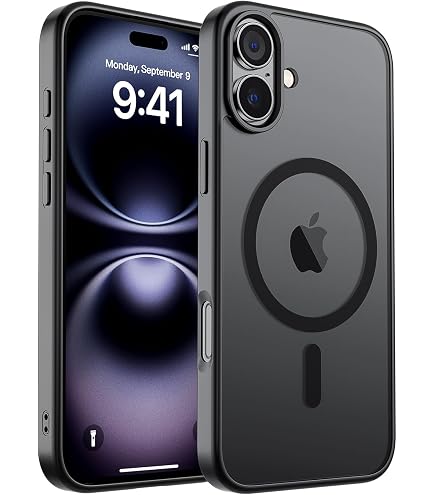
Apple iPhone 16, US Version …

Apple iPhone 16 Plus, US …
Core Philosophy: The Polished Garden vs. The Open Highway
The primary difference between an iPhone and an Android phone lies in their core approach. Apple's iOS is a "closed ecosystem," often called a 'walled garden,' where Apple controls the hardware, the software, and the app store. Android, developed by Google, is an open-source platform, meaning various manufacturers like Samsung, Google, and OnePlus can use and modify it.
The iPhone's Walled Garden
(F)eature: Apple is the only company that makes iPhones and the iOS software they run on.
(A)dvantage: This tight control means hardware and software are perfectly tuned for each other. The result is a super smooth, reliable, and predictable experience. As one expert puts it, Apple's goal is to create a seamless experience across all its devices.
(B)enefit: You get a phone that feels incredibly polished and is famously easy to use. Everything just works, especially if you own a Mac or an Apple Watch. A user described the feeling perfectly: "I took a photo on my iPhone and pasted it into a document on my Mac two seconds later. It feels like magic."
Android's Open Highway
(F)eature: Many different companies—like Samsung, Google, and Motorola—make Android phones in countless styles and prices.
(A)dvantage: This creates an unbelievable amount of choice. Whether you want a $200 budget phone, a $1,800 foldable powerhouse, or a device focused purely on gaming, there's an Android for that.
(B)enefit: You can find a phone that perfectly fits your specific needs and budget. You're not locked into one company's vision of what a phone should be. As Android Authority says, "Android's greatest strength is its diversity." From powerful flagships to budget-friendly 5G phones under ₹10k, the choice is all yours.
Customization and Freedom: Your Phone, Your Rules?
This is where the two platforms truly diverge. It’s the difference between a curated art gallery and a sprawling street market—both are fantastic, but for very different reasons.
Android's Unmatched Flexibility
Android is the undisputed king of personalization. You can change almost anything, from the app icons to the entire layout of your home screen with custom launchers.
I love my Android because I can make it truly mine. I use a custom launcher and icon pack, so my phone looks nothing like anyone else's. It feels unique.
This freedom also extends to functionality. You can easily drag and drop files to a computer like a USB drive or even plug a flash drive directly into your phone to watch a movie.
Apple's Guided Experience
iPhone offers a more uniform and consistent user experience. Customization has improved over the years with widgets, but it's still more structured. You can't just place app icons anywhere you want; they neatly snap to a grid.
A common iPhone complaint: 'I just want to put my app icons wherever I want on the screen, not have them snap to a grid! Why is that so hard?'
This isn't necessarily a bad thing. For many, this simplicity is a huge plus. You don't have to spend hours tinkering to get it right. It's designed to be intuitive from the moment you turn it on.
Software Updates & Long-Term Value
A phone is a big investment. How long it stays secure, fast, and valuable should be a major factor in your decision.
The iPhone's Longevity Advantage
(F)eature: Apple provides software updates for its iPhones for many years, typically 6-8 years.
(A)dvantage: This means your phone gets the latest security patches and new features for much longer than most Android phones. It keeps the device feeling new.
(B)enefit: This is a massive win for your wallet. Because they're supported for so long, iPhones hold their value incredibly well. After a few years, an iPhone will be worth significantly more than a comparable Android phone, making your next upgrade cheaper.
Smartphone Value Depreciation (After 2 Years)
iPhone
-35%
Android Flagship
-55%
Note: Values are illustrative estimates. Actual depreciation varies by model and market conditions.
Android's Fragmented Updates
(F)eature: With Android, Google provides the base software, but it's up to each manufacturer (Samsung, etc.) to deliver it to their phones.
(A)dvantage: This leads to a fragmented update schedule. Google's own Pixel phones get updates instantly, and Samsung has gotten much better, but many other brands can lag behind for months.
(B)enefit: This can be a major frustration. As one user lamented, "My friend's Pixel got the new Android update months ago, and my expensive Samsung is still waiting for it." It can also pose a security risk if your phone is no longer receiving security patches, a real concern when you consider that your phone is a ticking time bomb without them.
The Common Mistake: Choosing Based on Spec Sheets
Here's a trap many people fall into: comparing raw numbers. You'll see an Android phone with 12GB of RAM and an iPhone with 8GB and assume the Android is automatically better. This is rarely the case.
Because Apple builds the hardware and the software, it can optimize iOS to run incredibly efficiently on less RAM. The result is that an iPhone often feels faster and smoother in day-to-day use than an Android phone with technically "better" specs on paper. The lesson? Don't just read the numbers. The real difference is in the experience of using the phone.
Frequently Asked Questions
Which phone is more secure?
Generally, the iPhone is considered more secure. Apple's App Store has a very strict review process, making it much harder for malicious apps to get through. Android's open nature means users can install apps from anywhere, which offers more freedom but also creates more opportunities for viruses and malware to sneak in, especially if you aren't careful. For a deeper dive, understanding that your Android phone has a trust issue can be enlightening.
Which phone has a better camera?
This is a toss-up and often comes down to personal preference. Both high-end iPhones and flagship Android phones from Google and Samsung have phenomenal cameras that take professional-quality photos. Where they differ is in processing. iPhones tend to produce more natural, true-to-life colors. Android phones, particularly from Samsung, often produce slightly more vibrant, saturated images that pop. For video recording, however, the iPhone is still widely considered the king for its consistency and quality.
Which phone is easier for beginners to use?
The iPhone is almost universally seen as the easier phone to pick up and learn. Its simple grid of apps and consistent design language across the entire system means there's less of a learning curve. Android's vast customization options, while a strength for power users, can sometimes feel overwhelming for someone new to smartphones.
The Verdict: How To Choose YOUR Perfect Phone
There is no single "better" phone; there's only the phone that's better for you. After all this, the choice comes down to one simple question:
What do you value more: simplicity or choice?
If you want a phone that is incredibly simple to use, works seamlessly with your other devices, is ultra-secure, and will hold its value for years to come, get an iPhone. For most people, as tech reviewer Marques Brownlee (MKBHD) has said, the iPhone is the best 'default' choice. It does everything you need it to do extremely well.
If you want a phone that you can truly make your own, that offers a world of hardware options for any budget, and gives you the freedom to control every aspect of your device, get an Android. Its flexibility is its superpower.
Ready to make a decision? For a complete checklist on what to look for, no matter which side you choose, check out our Ultimate Smartphone Buying Guide 2026.