Smartphone reviews, tips, news, guides, and updates for Android & iPhone.

How Much Do Phones Cost? A Smart Buyer’s Guide
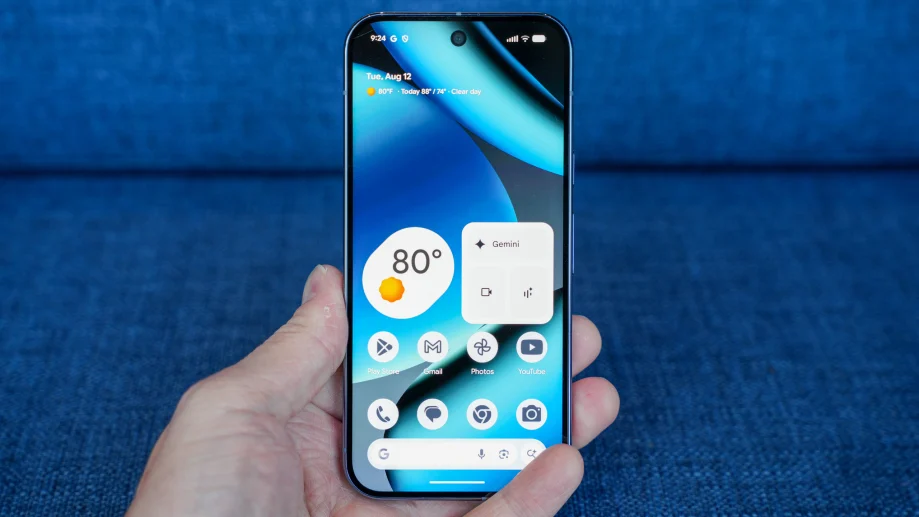
Choosing a new smartphone can feel overwhelming. With prices ranging from a couple of hundred dollars to well over a thousand, it's easy to wonder if you're overpaying or, worse, buying a cheap phone you'll regret. You're right to be skeptical of the hype. The most expensive phone isn't always the best choice, and a low price tag can hide long-term problems.
In a Nutshell
- The Sweet Spot: Mid-range phones ($300 – $600) now offer the best value for most people, providing excellent screens and cameras without the premium price.
- Total Cost is Key: The price of the phone is just the start. Remember to budget for essentials like a case, screen protector, and charger, which are often sold separately.
- Beware of "Free" Deals: Carrier deals that offer a "free" phone often lock you into expensive, long-term contracts that cost more over time.
Decoding Smartphone Price Tiers
Smartphones are generally grouped into three main categories based on price. Understanding what you get in each tier is the first step to finding the right phone for your budget and needs.
From what I've seen in recent market shifts, the lines between these categories are blurring, with mid-range devices increasingly adopting features once reserved for premium models.
Smartphone Price Tiers & Features
Budget (Under $300)
Basic tasks, calls, texts, light browsing.
Mid-Range ($300 – $600)
Great cameras, all-day battery, smooth performance.
Premium (Over $600)
Top-tier processors, advanced camera systems, specialized features.
Budget Phones: The Essentials-Only Tier (Under $300)
These phones are designed for basic communication. They can handle calls, texts, social media, and web browsing. However, they often come with compromises.
As one user on a tech forum shared, "I bought a $200 phone and it was a mistake. It's slow, full of ads from the manufacturer, and it stopped getting security updates after one year." This highlights a critical, often-overlooked cost.
Mid-Range Phones: The New Flagship ($300 – $600)
This is where the magic happens for most shoppers. Phones in this category deliver the best balance of features and price. You can expect vibrant displays, capable cameras, and batteries that last all day.
According to The Verge, "These days, you can get a great phone that does everything you need for under $500." This has become the undeniable truth of the smartphone market.
The Google Pixel 'a' series is a perfect example, frequently praised for offering a flagship-level camera at a mid-range price.
Premium Phones: For Power Users and Enthusiasts (Over $600)
These are the top-of-the-line devices with the fastest processors, most advanced camera systems, and features like folding screens. However, the performance gap between a $500 phone and a $1,000+ one is smaller than ever for everyday tasks. Unless you are a serious mobile gamer or professional photographer, you may not notice the difference.
The Real Total Cost of a New Phone
The sticker price is just your entry ticket. The true cost of owning a smartphone includes several additional expenses that many people forget to factor into their budget.
Your new phone will likely need a protective case and a screen protector. Many manufacturers, including premium brands, no longer include a charging brick in the box, which is another immediate expense. And, of course, there's your monthly cell plan, which can vary wildly.
The Hidden Danger of Cheap Phones: Short Security Lifespans
A significant but often invisible cost of budget smartphones is their limited software support. Many cheaper phones stop receiving crucial security updates after only one or two years, leaving your personal data vulnerable.
Think of security updates like a vaccine for your phone; without them, your device is exposed to new threats. A premium phone that receives updates for five to seven years can have a lower total cost of ownership than a budget phone you have to replace every two years simply because it's no longer safe to use.
Common Mistake: Falling for the "Free" Phone Trap
I know what you're thinking: "But my carrier is offering the new iPhone for free!" These deals are rarely ever truly free.
A user review puts it perfectly: "Be careful with carrier 'free' phone deals. The monthly bill credits lock you in for 2-3 years, and the plan itself is often more expensive."
Carriers recoup the cost of the "free" device by locking you into a long-term contract, often on a pricier plan. If you decide to leave early, you'll likely have to pay the remaining balance on the phone. A smarter approach is often to buy an unlocked phone and choose a more affordable plan from a smaller carrier.
How to Get Premium Features Without the Premium Price
You don't have to buy the latest model to get a high-end experience. Smart shopping strategies can save you hundreds of dollars.
Embrace the Refurbished Market
Buying a refurbished premium phone from a reputable seller can be a fantastic deal. These are pre-owned devices that have been professionally inspected, repaired, and certified to work like new. You can often save 25% to 50% compared to the price of a new device.
As one savvy Reddit user noted, "My last-generation flagship bought refurbished is way better than a new budget phone for the same price. The camera and screen are miles ahead."
Buy Last Year's Flagship
The release of a new model means last year's top-tier phone gets a significant price cut. The performance difference is often negligible for the average user, but the savings are substantial. This is one of the easiest ways to get 95% of the features for 60% of the price.
Beyond the Spec Sheet: What Really Matters
Don't get caught up in marketing buzzwords. A phone's real-world performance is more important than the numbers on a spec sheet.
- Camera Megapixels vs. Software: Don't just look at megapixel counts. A phone's software processing is far more important for photo quality. Look for real-world photo samples in reviews to judge a camera's performance.
- Battery Life (mAh is not everything): A bigger battery (measured in mAh) doesn't always mean longer life. A phone's processor efficiency and software optimization play a huge role. Look for independent reviews that test real-world screen-on time.
Final Recommendations
For the vast majority of people, the best financial decision is to ignore the hype around the latest $1,200 flagships. A mid-range phone in the $300 to $600 bracket will do everything you need it to do—and do it well. By considering the total cost of ownership and exploring smart alternatives like refurbished models, you can get a fantastic phone that will last for years without breaking the bank.