Smartphone reviews, tips, news, guides, and updates for Android & iPhone.

The Ultimate Smartphone Buying Guide 2026
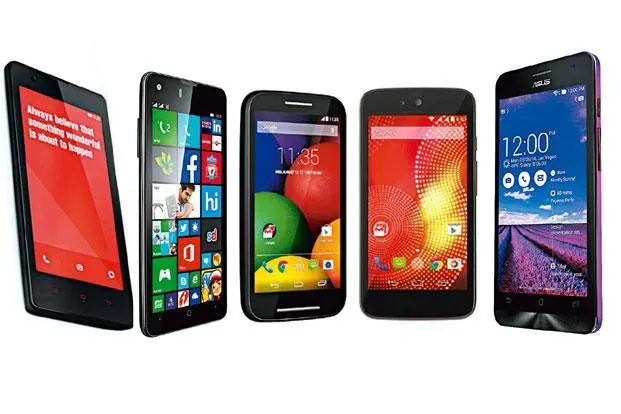
Shopping for a new smartphone can feel like navigating a minefield. Brands bombard you with confusing jargon, flashy marketing, and promises that often fall flat after a few weeks of use. You’re left wondering if you truly got the best value for your hard-earned money or if you fell into a clever marketing trap. The fear of making the wrong choice is real, leading to hours of research and paralyzing indecision.
This guide changes that. Forget the hype and the noise. We are breaking down the five most critical pillars of a modern smartphone—display, camera, performance, software, and brand reliability—into a simple, actionable checklist. By the time you finish reading, you will be equipped with the expert knowledge to see past the gimmicks, understand what truly matters, and confidently select the perfect phone for your budget and needs. You won't just buy a new phone; you'll make a smart investment.
Recommended Products

16PROMA X Unlocked Smartphone 6.9′ HD …
Cell Phone 2501 …” style=”width: 100px; height: 100px; object-fit: contain; border-radius: 8px; background: white; padding: 4px; border: 1px solid #e2e8f0; box-shadow: 0 1px 2px rgba(0,0,0,0.05); margin: 0;” />
BVNA 2501 Smartphone Cell Phone 2501 …

KostSell 3G Mobile Phone, 5 …

TalkCeLL Note 60 Mobile Phones …
At a Glance
- Display is King: Prioritize a 120Hz AMOLED screen for any phone over ₹15,000. It's the part of the phone you interact with most.
- Performance Metrics Matter: Don't guess if a phone is fast. Use AnTuTu benchmark scores as a reliable measure of processor power for your budget.
- Camera Secrets: Ignore the megapixel count. The presence of OIS (Optical Image Stabilization) and a Sony sensor are far better indicators of a quality camera.
Step 1: Establish Your Budget and Stick to It
The first and most crucial step in choosing a smartphone is defining your budget. This simple act clears away most of the confusion and narrows your options to a manageable list. Without a firm budget, it’s incredibly easy for offline retailers to upsell you from a ₹20,000 phone to a ₹25,000 or ₹30,000 model, stretching your finances unnecessarily.
It's important to recognize that smartphone prices are on the rise. What was once considered a mid-range price point is now the new budget category, and today's mid-rangers cost what premium phones used to. Be prepared to potentially spend a bit more than you did a few years ago for the same level of quality. Understanding how much phones cost in today's market is key.
Smartphones generally fall into three tiers:
- Budget Phones (Under ₹15,000): Built for daily tasks like browsing, social media, and content consumption. Compromises on camera and processing power are expected.
- Mid-Range Phones (₹15,000 – ₹40,000): Offer a balanced experience across performance, camera, display, and battery. This is the sweet spot for most users.
- Flagship Phones (Above ₹40,000): Deliver the absolute best in every category, from processing power to camera innovation and display quality.
Once you set your budget, be disciplined. The goal is to find the best possible phone within that price bracket, not to be tempted by features you may not need at a price you can't afford.
Step 2: Demand a High-Quality Display
The display is your window into the digital world; it's where you spend hundreds of hours scrolling, watching, and gaming. Settling for a subpar screen is a mistake that will impact your user experience every single day. Headaches and eye strain from poor displays are common complaints, often linked to the harsh blue light they emit.
To protect your eyes and ensure a premium visual experience, there are non-negotiable features to look for. For any phone priced above ₹15,000, an AMOLED (or OLED) panel is a must. Unlike older IPS LCDs, AMOLED screens offer vibrant colors, true blacks, and better energy efficiency. While an IPS display is acceptable on phones under ₹10,000, it feels dated on anything more expensive.
Equally important is the refresh rate. A 120Hz refresh rate should be the minimum standard for mid-range phones. It makes every scroll and animation feel significantly smoother and more responsive compared to older 60Hz or even 90Hz panels.
Finally, look for a TÜV Rheinland certification. This often-overlooked feature ensures the display has hardware-level adjustments to reduce harmful blue light emission, which can safeguard your eyes during long-term use and prevent screen-induced headaches.
Minimum Display Standards by Budget
| Budget Range | Minimum Display Requirements |
|---|---|
| Under ₹10,000 | IPS LCD, 90Hz Refresh Rate Acceptable |
| ₹15,000-₹25,000 | FHD+ AMOLED, 120Hz Refresh Rate (Must-Have) |
| Above ₹25,000 | 1.5K Resolution AMOLED, 120Hz Refresh Rate (Minimum) |
Step 3: Decode the Camera System
One of the biggest marketing traps in the smartphone industry is the megapixel myth. Brands prominently advertise phones with 108MP or 200MP cameras, leading consumers to believe a higher number automatically means a better picture. This is fundamentally untrue.
A great camera system is a combination of a quality sensor, effective image processing software, and robust stabilization. A phone with a superior 50MP Sony sensor will almost always produce better photos than a phone with a mediocre 108MP sensor. Here's what to actually look for:
- OIS (Optical Image Stabilization): This is the single most important feature for clear, blur-free photos and stable videos, especially in low light. For any phone above ₹15,000, OIS is non-negotiable.
- Sensor Quality: Look for phones that explicitly mention using a Sony sensor. They are widely regarded as the industry leaders in mobile camera technology.
- Lens Versatility: For phones in the ₹30,000 and above category, a dedicated telephoto or periscope lens is a must-have. It allows you to zoom in on distant subjects without losing quality, a feature digital zoom cannot replicate.
Don't be fooled by numbers. A camera's quality is determined by its hardware components and software tuning, not the megapixel count printed on the box. If you're serious about photography, your budget should start at around ₹25,000 to get a device with these essential features.
Camera Checklist by Price
| Budget Range | Key Camera Features to Demand |
|---|---|
| ₹15,000 – ₹20,000 | OIS is a mandatory feature. |
| ₹20,000 – ₹30,000 | OIS + Sony Sensor is the minimum standard. |
| ₹30,000 – ₹40,000 | OIS + Sony Sensor + Telephoto Lens is required. |
Step 4: Verify Performance with Benchmarks
If you want your phone to feel fast, handle multitasking, run demanding games, and remain smooth for several years, the processor is the most critical component. Salespeople, especially in offline stores, often offload devices with outdated processors onto unsuspecting buyers. To avoid this, you need an objective way to measure performance.
Forget trying to memorize dozens of processor names like Snapdragon, MediaTek, or Bionic. The simplest and most reliable method is to check the phone's AnTuTu benchmark score (Version 10 or newer). This score provides a standardized number that reflects the raw power of the chipset. You don't need to run the test yourself; scores are readily available in reviews from tech creators online.
Here is a simple visual guide to the minimum AnTuTu score you should expect at different price points.
Minimum AnTuTu v10 Scores by Budget
Under ₹15,000
Under ₹20,000
₹20,000 – ₹30,000
Above ₹30,000
Performance isn't just about the processor. The storage technology is also vital. Look for UFS 3.1 storage or higher. For phones above ₹30,000, UFS 4.0 is the standard, offering lightning-fast app loading and file transfer speeds. For serious gamers, a budget of at least ₹25,000 is recommended to get a phone with an AnTuTu score over 1 million, which is necessary for a smooth experience in graphically intensive titles. A powerful processor can be demanding, which is why some find that AI phones are a battery-killing nightmare without proper optimization.
Step 5: Prioritize Software and Brand Trust
A smartphone is more than just its hardware; the software experience dictates how you interact with it daily. A phone with a clean user interface (UI), minimal bloatware, and a strong update policy will provide a much better long-term experience.
Unfortunately, almost every brand now includes pre-installed apps (bloatware). However, you should still prioritize brands that offer a relatively cleaner experience. More importantly, check the brand's software update promise. For any phone over ₹20,000, demand at least 3 years of major OS updates and 4 years of security updates. This ensures your device stays modern, secure, and functional for longer. An aging device without updates is a security risk, essentially meaning your old phone is a ticking time bomb.
Finally, never ignore the brand's reputation. Before buying, ask yourself:
- Is this a trusted brand with a proven track record?
- Do they have accessible service centers in my area?
- What is the general customer feedback on their after-sales service?
A phone from a new or unreliable brand can become a paperweight if something goes wrong. Choosing a well-established brand like Samsung, Google, or OnePlus often provides peace of mind. Your choice may also depend on your location, so it's wise to research which phone brand is best in India or your specific region.
Pros & Cons of This Buying Method
| Pros (Key Rules to Follow) |
|---|
| ✅ Empowers you with objective data (AnTuTu, Hz, OIS). |
| ✅ Helps you see past deceptive marketing (e.g., megapixels). |
| ✅ Ensures long-term value through software update policies. |
| ✅ Protects your investment by focusing on reliable brands. |
| Cons (Common Traps to Avoid) |
|---|
| ❌ Being upsold by salespeople in offline stores. |
| ❌ Buying a phone based on a single feature like the camera. |
| ❌ Ignoring software support and brand reputation. |
| ❌ Overlooking display quality and eye-care certifications. |
Final Verdict
Choosing the right smartphone in a saturated market doesn't have to be a gamble. By shifting your focus from marketing claims to measurable specifications, you take control of the buying process. This guide provides a clear, data-driven framework to help you make an informed decision. Always prioritize a 120Hz AMOLED display, verify performance with AnTuTu scores, and demand key camera features like OIS and a quality sensor.
Couple these hardware requirements with a commitment to long-term software support and a trusted brand, and you are guaranteed to find a phone that not only meets your needs but also delivers exceptional value for your money. Use this checklist, trust the data, and you will walk away with a device you'll love for years to come.
Buyer's Confidence Score: 9.5/10 (when following this guide)
Frequently Asked Questions (FAQs)
1. Do more megapixels really mean a better camera?
No. Camera quality is far more dependent on the sensor size and quality (e.g., a Sony sensor), lens aperture, and the presence of Optical Image Stabilization (OIS). A 50MP camera with OIS will consistently outperform a 108MP camera without it, especially in low light.
2. What is AnTuTu, and why does the score matter?
AnTuTu is a benchmarking tool that tests a phone's processor, GPU, RAM, and storage speed, providing a single score that represents its overall performance capability. It's a simple, objective way to compare the raw power of different phones, helping you avoid devices with weak or outdated chipsets.
3. Is an IPS display bad?
Not necessarily, but it is older technology. For phones under ₹10,000, an IPS display is acceptable. However, for any phone above ₹15,000, an AMOLED display is superior, offering better colors, contrast, and power efficiency. You should demand an AMOLED panel in the mid-range and premium segments.
4. How important is the battery size (mAh)?
While a larger mAh number (e.g., 6000mAh) generally leads to longer battery life, it's not the only factor. Software optimization plays a huge role. A phone with a well-optimized 5000mAh battery can sometimes outlast a poorly-optimized phone with a 6000mAh battery. Also, consider the fast charging speed (in watts); a 65W or 80W charger can be a lifesaver. You can also learn how to check your Android's battery health to monitor its performance over time.
5. What is the minimum software support I should accept?
For any phone costing ₹20,000 or more, you should look for a guarantee of at least 3 years of major Android OS updates and 4 years of security updates. This ensures your phone remains functional, secure, and compatible with the latest apps for a reasonable lifespan.