Delivering trusted U.S. technology and AI business insights—crafted daily with expert analysis and market impact.

TikTok Sensation Lands Top Job: How a 23-Year-Old is Revamping a Global Sports Brand
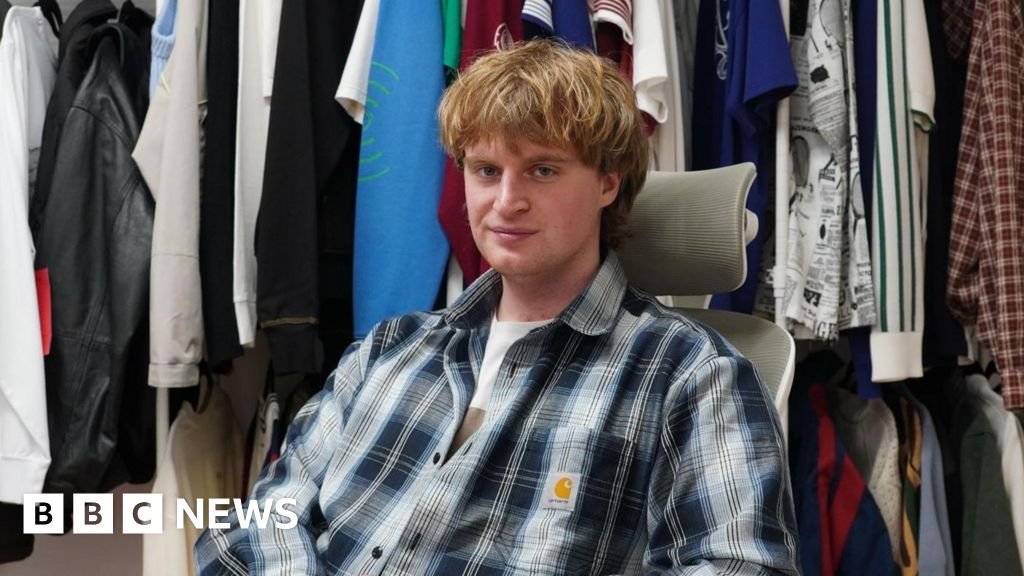
A 23-year-old content creator, Alexei Hamblin, turned his viral TikTok videos criticising a brand into a top consulting job to help reinvent it.

Forget traditional job applications. For 23-year-old designer Alexei Hamblin, a series of TikTok videos was his CV. In 2025, he started a video series where he showed how he would redesign "dead" sports brands he found in stores. His videos, which called some clothes "boring" and like a "tacky PE kit," quickly gained hundreds of thousands of views.
His bold critiques caught the eye of Frasers Group, the owner of the retail chain Sports Direct. Instead of a legal notice, which Hamblin expected, he received an invitation to meet their team. This meeting led to an incredible opportunity: a consultant role to help reinvent the classic sports brand, Slazenger.
Founded in 1881, Slazenger has a rich history, especially in tennis and golf, and has been the official ball supplier for Wimbledon since 1902. However, Hamblin felt that his generation had no connection to the brand. He saw potential in its heritage and pitched his vision to make it relevant again.
His plan is to create a new sub-line of "premium sportswear-inspired fashion" set to be released in the spring. He wants to create a modern reflection of the brand's history while keeping it affordable for everyone. "I wouldn't want to take away the everyman, working-class accessibility of the brand," Hamblin stated, clarifying that the new premium line will be sold alongside the regular, more affordable products.
| Aspect | Slazenger's Traditional Image | Alexei Hamblin's Proposed Vision |
|---|---|---|
| Perception | Outdated, basic sportswear | Modern, heritage-inspired fashion |
| Audience | General consumers | Fashion-conscious young generation |
| Product Line | Primarily affordable options | A mix of affordable and premium lines |
| Connection | Based on old history | Built through social media engagement |
What makes Hamblin's journey even more remarkable is that he has never been to fashion school. He taught himself design using digital tools like Photoshop and built his presence on TikTok. He believes his age is his biggest advantage. "I am Gen Z. I know how we consume. I know what we like, what we don't like," he says. "And I think that's an advantage that a lot of these people in these boardrooms don't have."
Fashion journalist Renee Washington agrees that content creators are having a huge impact, making the industry "more accessible" and conversational. "You don't need to be sitting front row at Fashion Week anymore to shape taste, you can influence right from your bedroom," she says. However, she warns that a single TikTok series won't change a brand overnight, and any revamp must feel "authentic" to succeed.
Both Hamblin and Washington acknowledge the negative side of social media's influence—the acceleration of "fast fashion" and overconsumption. However, Hamblin has turned this into a positive. He is documenting his entire design process for Slazenger on TikTok, engaging directly with his followers' feedback. This strategy has turned his audience into a community of potential customers who are invested in his journey.
News Analysis Report
This event highlights a significant shift in corporate strategy and talent acquisition. Brands are now looking towards social media not just for marketing, but as a direct source for fresh ideas and talent that deeply understands the younger demographic. Hamblin's story is a clear example of how an individual creator with a strong vision can bypass traditional industry gatekeepers. This model of 'crowd-sourced' feedback and transparent product development could become a new standard for legacy brands trying to reconnect with a new generation of consumers.
Our Opinion
While Alexei Hamblin's collaboration with Slazenger is an innovative and exciting development, its long-term success is not guaranteed. Building a successful fashion line requires more than just viral marketing; it needs consistent quality, effective supply chains, and a brand identity that can endure beyond a trend cycle. This partnership is a bold experiment. If successful, it could pave the way for more collaborations between established companies and digital creators. If not, it will serve as a lesson on the challenges of translating online hype into real-world brand loyalty.
Source