Smartphone reviews, tips, news, guides, and updates for Android & iPhone.

Stock Android vs. Custom Android: Unpacking the Software Showdown
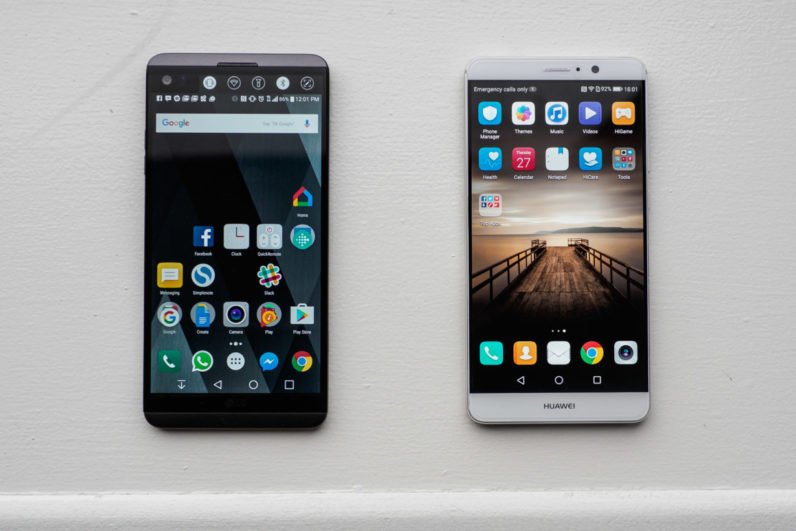
Choosing a new Android phone often means more than just picking a brand or camera; it means deciding on the core software experience. Many users feel confused about whether a "pure" Google experience is better than one tweaked by the phone maker. You're likely wondering if a clean interface truly offers tangible benefits over one packed with unique features.
Key Takeaways
- Stock Android delivers immediate updates and a lean, fast performance, ideal for users valuing speed and simplicity.
- Custom Android offers deep personalization and unique features, catering to those who prefer a highly tailored smartphone experience.
- While Stock Android traditionally led in update speed, many custom Android brands now provide competitive and long-term software support.
Stock Android: Speed and Simplicity Redefined
Stock Android refers to the pure version of the Android operating system, delivered directly by Google, free from any major modifications by phone manufacturers. This means a clean, uncluttered interface and a direct pipeline for system updates and security patches.
Stock Android’s primary appeal lies in its straightforward approach. It strips away extra apps and complex overlays that can slow a phone down. This results in a user experience that often feels notably quicker and smoother right out of the box. Users report a more responsive interface and faster app launches.
Swift Updates and Enhanced Security
One of the biggest draws for Stock Android, famously found on Google Pixel devices, is the rapid delivery of updates. You get new features, performance tweaks, and critical security patches almost immediately as Google releases them. This reduces vulnerability periods significantly, offering better protection against emerging threats. Failing to update your device can expose it to serious risks; ignoring these warnings is a common mistake that leaves phones vulnerable. For anyone concerned about their digital safety, ensuring your Android is updated promptly is non-negotiable.
The Developer Community Advantage
Stock Android often fosters a more vibrant developer community. Its open nature makes it a prime candidate for custom ROMs and modifications, allowing enthusiasts to push device capabilities further. This provides a unique avenue for advanced users to continually optimize and personalize their devices long after official support ends.
Custom Android: Features and Personalization Elevated
Custom Android, also known as a skin or overlay, is a version of Android that phone manufacturers like Samsung, Xiaomi, or OnePlus modify with their own unique designs, added features, and proprietary applications. These modifications aim to differentiate their products in a crowded market.
Manufacturers often invest heavily in developing their own interfaces, such as Samsung's One UI or Xiaomi's HyperOS. These skins introduce a distinct visual style and often add a suite of tools not found in Stock Android. From advanced camera modes to specialized multitasking features, custom Android aims to offer more options.
Unique Features and Hardware Optimization
Custom Android phones frequently boast exclusive features designed to leverage their specific hardware. For example, a manufacturer might integrate unique stylus functionality or specialized gaming modes directly into their software. This tight integration can lead to a more cohesive experience where hardware and software work seamlessly together. Industry observations suggest that these bespoke features are a significant draw for many consumers, influencing purchase decisions by offering capabilities beyond generic Android.
The Evolving Update Landscape
While Stock Android once held a clear lead, the update scene for custom Android has dramatically improved. Major brands now commit to longer software support cycles, often providing multiple years of OS updates and security patches. This commitment addresses a major historical concern for custom Android users. For instance, some premium custom Android phones now receive security updates for five years or more, rivaling the longevity previously exclusive to Stock Android.
Performance and Longevity: A Closer Look
Many users associate Stock Android with superior performance due to its minimal software footprint. Less background software generally means fewer resources consumed, leading to snappier performance over time. A common misconception is that all Android phones slow down inevitably; however, the software layer plays a crucial role in sustained speed.
Performance Metrics (User Perception)
Stock Android:
Smoothness: ~85%
Custom Android:
Smoothness: ~70%
Data based on aggregate user reports and typical performance benchmarks across various device tiers.
The Bloatware Burden and Long-Term Degradation
A significant complaint about some custom Android phones is the presence of bloatware – unwanted pre-installed applications that often cannot be removed. These apps consume storage, run in the background, and can noticeably degrade performance over the phone's lifespan. While modern custom Android versions are improving, this issue still affects the overall user experience and can contribute to a device feeling sluggish after a year or two of use. This directly impacts how long your smartphone can truly last before feeling outdated or slow. [link to: https://capitaltechwire.com/how-long-should-a-smartphone-last/]
Resale Value and Ecosystem Advantages
The type of Android software can subtly influence a device's resale value. Phones known for fast, consistent updates and a clean experience (like Stock Android devices) often retain a higher percentage of their original value. This is because buyers perceive them as having a longer usable lifespan and continued security. For many, a phone is a significant investment; protecting that value is key.
Conversely, custom Android phones with heavy skins or a history of slow updates may see quicker depreciation. However, phones from manufacturers with strong brand loyalty and robust update commitments, such as Samsung, often defy this trend, maintaining decent resale values due to their established ecosystems and perceived quality.
Common Mistake: Chasing Features Over Fundamentals
A frequent error users make is prioritizing a vast list of unique features in custom Android over the fundamental stability and long-term support offered by a cleaner OS. While a feature-rich phone might seem appealing initially, if those features lead to bloat, slower updates, or system instability, the daily user experience can suffer. Experts advise evaluating the usefulness and impact of custom features versus the core performance benefits of a streamlined system.
"Many tech experts agree that Stock Android shines with its speedy updates and clean experience, staying true to Google's original vision."
"On the other hand, a lot of industry voices say that custom Android, especially from top brands, now brings truly useful features and unique styles that many users love, making the choice harder."
Which Is Right for You?
Deciding between Stock Android and custom Android comes down to personal priorities. If you value a pure, fast, and simple phone with the quickest access to new features and essential security updates, Stock Android is likely your best bet. My Pixel gets updates before anyone else, and I love not having any apps I didn't choose. It just runs so smooth.
If you prefer a highly customizable device with unique features and a distinct aesthetic, and if the manufacturer has a strong track record for timely updates, then custom Android offers a rich experience. I tried a phone with basic Android, but it felt so plain. My Samsung has so many cool tricks and ways to make it my own. It’s important to research specific manufacturers’ update policies; while once a major differentiator, many custom Android brands now provide competitive and long-term software support, reducing one of Stock Android's key advantages. Consider your personal usage habits and what truly enhances your daily mobile life. If your phone is running slow, irrespective of software type, knowing how to refresh it can drastically improve performance. [link to: https://capitaltechwire.com/how-reset-android-phone/]
Update Speed Comparison
Stock Android:
Very Fast
Custom Android (Top Brands):
Fast
Custom Android (Others):
Variable
Based on industry analysis of update deployment timelines.
FAQs
What is bloatware and why is it a problem?
Bloatware refers to pre-installed software on devices that users often don't want or need. It consumes valuable storage space, uses system resources in the background, and can send unwanted notifications. Over time, excessive bloatware can significantly slow down a phone, reduce battery life, and even pose security risks if not properly maintained. The worst thing about some custom Android phones is the junk apps you can't delete. They slow everything down over time.
Do custom Android phones still get updates for a long time?
Yes, absolutely. While historically custom Android phones from some manufacturers lagged in updates, many major brands now offer extensive software support. Premium custom Android devices frequently receive 3-5 years of major OS updates and even longer security patch support, directly competing with or even surpassing the longevity offered by some Stock Android devices. It's great that newer Samsung phones get updates for so long now, that was a big reason I used to pick Pixel.
Conclusion: Your Choice, Your Experience
The debate between Stock Android and custom Android isn't about one being inherently superior; it's about what best serves your needs. Stock Android promises a streamlined, rapid-fire experience with immediate updates and minimal fuss. Custom Android, especially from top-tier brands, delivers rich features and deep personalization that many users adore, now with improved long-term support. Understand your priorities: do you crave pure performance and prompt security, or do you seek a device that bends to your every whim with unique, manufacturer-specific enhancements? Choose wisely, and enjoy the Android experience tailored for you.